Stars and Stripes Firings Turn a Management Dispute Into a Test of Military Press Independence
Stars and Stripes Firings Turn a Management Dispute Into a Test of Military Press Independence
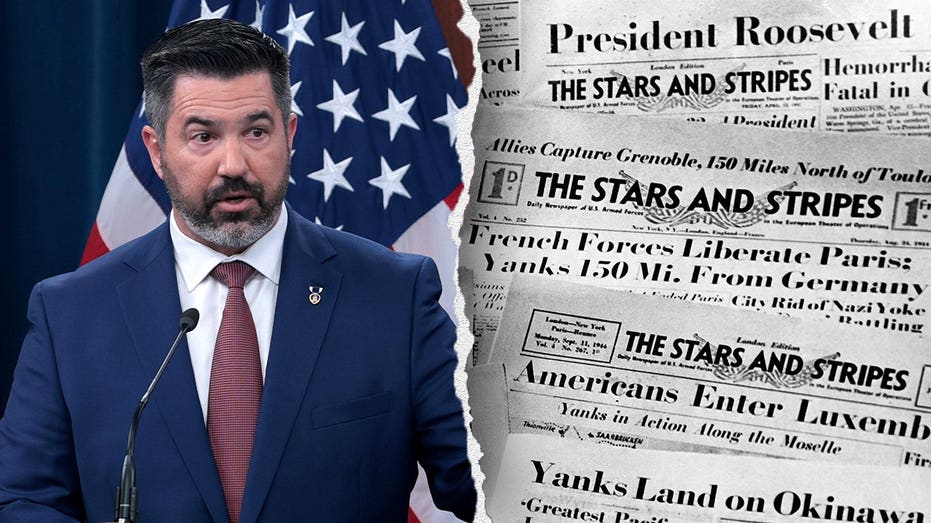
The Pentagon’s dismissal of three senior Stars and Stripes employees has turned an internal management fight into a broader confrontation over whether a military-funded newspaper can remain editorially independent.
Publisher Max Lederer, editor-in-chief Erik Slavin and reporter Lara Korte were given separation notices citing insubordination and five days to appeal. A conservative account characterized the episode as an “editorial independence squabble,” while liberal coverage cast it as part of the Trump administration’s wider pressure campaign against military journalism.
The administration’s case is that the employees violated workplace and public-affairs rules, not that they were punished for a specific article. Stephen Miller said that “if anybody was fired, it was for just cause,” while Navy Capt. William Urban promised modernization, greater digital reach and a continuing commitment to independent reporting. Pentagon officials have also argued that Stars and Stripes must move beyond what spokesman Sean Parnell called “woke distractions that syphon morale.”
The journalists describe something more consequential. Slavin said he was fired for stating that hypothetical censorship would cross a “red line,” insisting that Stars and Stripes “must remain editorially independent.” Korte similarly said, “I’m working for Stars and Stripes—not for the Pentagon, not for any administration, not for any policymaker.”
Both sides invoke the publication’s mission, but they define it differently. Pentagon officials emphasize accountability, modernization and morale; the dismissed staff emphasize the constitutional value of an independent press serving military families. The timing has intensified suspicion: Lederer was already preparing to retire after citing “fundamental” disagreements with the Defense Department, and the dismissals followed reporting on conditions aboard the USS Abraham Lincoln.
The central question is therefore not merely whether rules were broken. It is whether “insubordination” is being used to enforce discipline—or to redraw the boundary between a government-supported newspaper and the government that funds it.
Write a comment