Guinea’s landfill disaster exposes the cost of delayed action
Guinea’s landfill disaster exposes the cost of delayed action
At least 30 people are dead after a waste mound collapsed onto homes and makeshift dwellings in Conakry, turning a long-recognized public hazard into a mass-casualty disaster. The collapse came just days after authorities announced plans to close the landfill, sharpening questions about whether action came too late.
The conservative account presents the event primarily as an official emergency: a landslide at a landfill in Guinea’s capital killed 30 people, according to authorities. The liberal account adds a broader explanation, linking the collapse to heavy overnight rain, the landfill’s precarious location and the recurring dangers of the rainy season in rapidly growing West African cities.
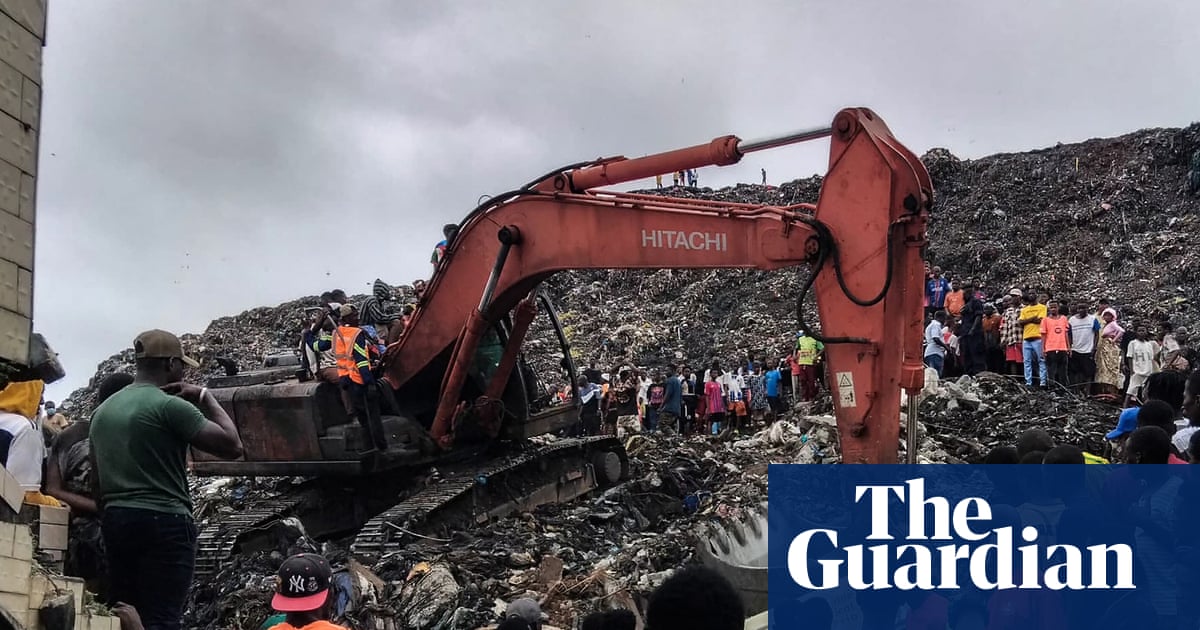
Those accounts converge on the immediate facts but diverge in emphasis. The government reported six people seriously injured and 16 lightly injured, while rescue workers used excavators to search through debris reportedly large enough to bury an apartment building. The disaster also exposed the human cost of the site’s proximity to vulnerable communities: resident Cire Diallo said five of her children were killed.
The timing is central to the story. Territorial administration minister Djénabou Touré Camara had announced on Thursday that the landfill would close because it was unsafe and that waste would be moved outside Conakry. Prime Minister Amadou Oury Bah visited after the collapse and urged residents to remain calm and follow rescue instructions.
But official reassurance now sits against a deeper structural failure. Guinea has major mineral wealth, yet widespread poverty and weak infrastructure leave many residents exposed to hazards that authorities acknowledge but struggle to remove. “I have lost all my children. All I can do is put my trust in God,” Diallo told reporters. Her words capture the distance between a promised relocation and the immediate reality beneath the rubble.
Write a comment