Trump’s Flag, Kirkwood’s Win—and a Race Built for Spectacle
Trump’s Flag, Kirkwood’s Win—and a Race Built for Spectacle
Kyle Kirkwood’s commanding Freedom 250 victory delivered the sporting result organizers wanted—but the inaugural Washington race was also designed as a carefully staged presidential spectacle.
Kirkwood led 128 of 147 laps and beat Christian Lundgaard by 3.09 seconds, turning the downtown course into a showcase for American IndyCar talent. His Andretti Global teammates Will Power and Marcus Ericsson finished third and fourth, while championship leader Alex Palou’s day unraveled through a drive-through penalty, a loose tire and a late spin. Palou’s points advantage over Kirkwood fell from 133 to 91 with three races remaining.
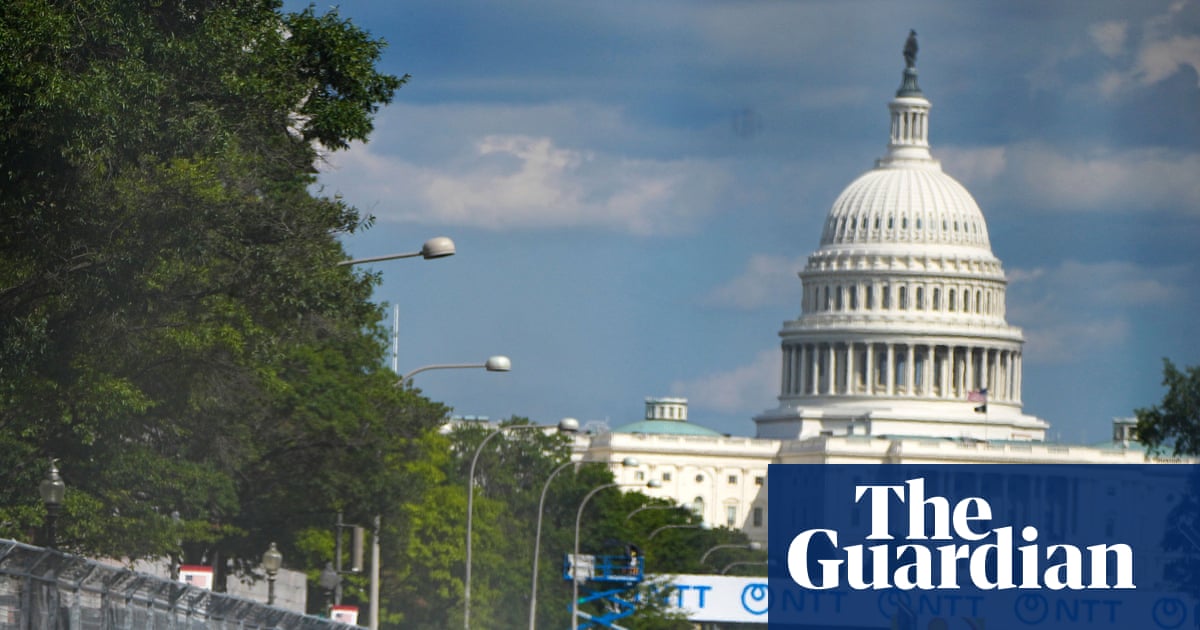
The race’s competitive drama was inseparable from its political packaging. President Donald Trump and first lady Melania Trump opened the event with a ceremonial lap, after which Trump waved the green flag. The route carried drivers past Washington landmarks and along Pennsylvania Avenue, while a military flyover and patriotic performances reinforced the event’s role in the nation’s 250th-birthday celebrations.
Supporters presented that fusion of sport and national symbolism as distinctly American. An executive order described IndyCar as a sport whose “cars and drivers inspire awe and respect” and promised to showcase “the majesty of our great city.” The political framing was amplified after the race when Kirkwood, a fellow Floridian, told Trump: “What a dream come true!”
Yet the spectacle did not eliminate the race’s harder edge. Early crashes eliminated David Malukas and Sting Ray Robb, Scott McLaughlin hit the tire barrier while challenging for the lead, and Marcus Armstrong was penalized for avoidable contact. The contrast was stark: Washington offered polished ceremony above the track, while below it the result still depended on penalties, mechanical trouble and split-second mistakes.
Write a comment