Canada Rejects a “Bad Deal” as U.S. Tariffs Reignite a Costly Trade War
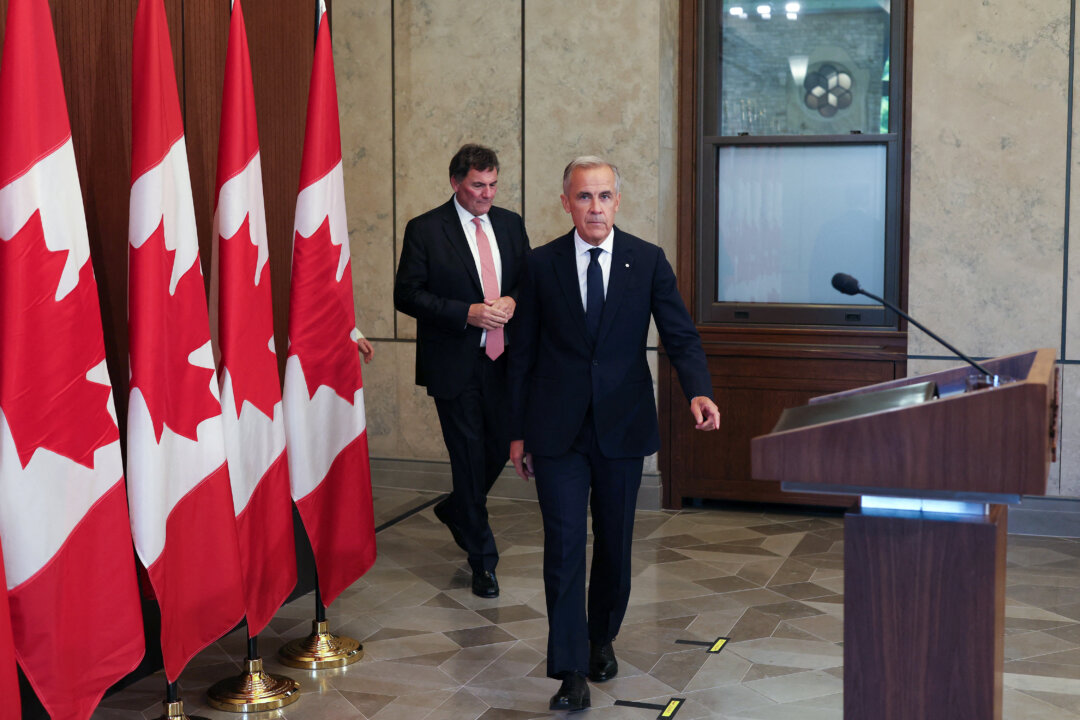
Canada Rejects a “Bad Deal” as U.S. Tariffs Reignite a Costly Trade War
The latest U.S.-Canada trade truce has collapsed into a familiar cycle: Washington says Ottawa walked away from a favorable deal, while Canada argues that the final U.S. demands made an agreement economically and politically unacceptable.
Canada will impose retaliatory tariffs on U.S. goods beginning Sept. 8, less than a day after the United States placed 50% duties on selected Canadian imports. Prime Minister Mark Carney framed the move as reluctant but necessary, saying Canada rejected “a bad deal” because doing so remained in the country’s “best interest.”
The conservative account emphasizes restraint and sovereignty. Carney acknowledged that retaliation would “raise costs and reduce choice for Canadians,” but argued that Ottawa could not accept terms it considered damaging. The message is that Canada is absorbing short-term pain to avoid a worse long-term arrangement.
A broader account of the breakdown presents a sharper contrast. Negotiators had suggested a deal was close, but Canada said last-minute U.S. changes were “unfair, uneconomic” and undermined confidence in Washington’s reliability. Carney summarized the dispute bluntly: “They asked too much and offered too little.”
Both sides nonetheless describe the other as responsible for the collapse. U.S. Trade Representative Jamieson Greer said Canada “declined to finalize the trade deal under the terms agreed earlier this week,” while later insisting that Ottawa already had the “best deal.” Canada, by contrast, says it was prepared to remove its remaining tariffs on steel, aluminum and autos if the United States lowered its own.
The economic risks extend beyond the negotiating table. Canadian retaliation is expected to target U.S. steel, dairy, agricultural equipment, and pulp and paper, while American businesses warn that new duties could raise prices, disrupt supply chains and strain a deeply integrated relationship. With Greer saying no new talks are planned, a dispute both governments once suggested was nearing resolution is now hardening into another tariff war.
Write a comment