Judge Rejects New Trial as Karmelo Anthony’s Defense Challenges the Case’s Unusual Rules
Judge Rejects New Trial as Karmelo Anthony’s Defense Challenges the Case’s Unusual Rules
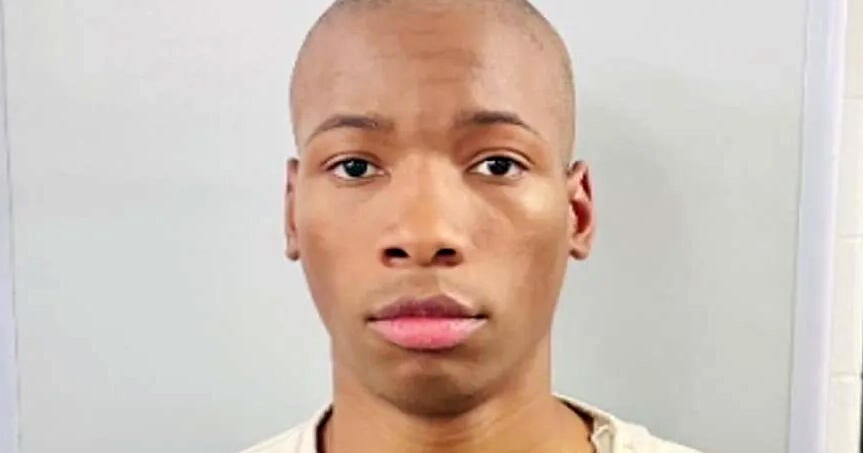
A Texas judge has rejected Karmelo Anthony’s request for a new trial, preserving a 35-year sentence while leaving unresolved a central question: did unusual restrictions designed to contain a volatile case instead deny the defendant a fair chance to defend himself?
Judge Michael Chitty denied the motion after reviewing the record, testimony, briefs and relevant law, but his order did not explain the reasoning in detail. The ruling keeps Anthony’s conviction for fatally stabbing 17-year-old Austin Metcalf during a 2025 Frisco track meet in place, though the case will continue on direct appeal.
The defense portrayed the trial as being reshaped by an off-the-record agreement intended to keep damaging allegations about both teenagers away from the jury. Anthony’s lawyers said prosecutors abandoned the understanding at the last moment, making Anthony reluctant to testify even though his account was expected to anchor the self-defense claim. The Guardian reported that the defense considered his testimony central and argued the state had violated the agreement.
Prosecutors offered a sharply different account. Lead prosecutor Bill Wirskye said the lawyers never settled what the agreement would cover if Anthony took the stand and maintained that the state remained willing to honor it. He argued that threats, intense publicity and misinformation justified private hearings, restricted courtroom access and tightly managed evidence. The prosecution also said testimony from Anthony or his mother could have opened the door to character evidence.
The dispute therefore turns less on whether the agreement existed than on what it meant—and whether its uncertainty compromised the verdict. Defense attorneys also challenged the exclusion of the public, jury instructions on self-defense and hearings held without Anthony present. Prosecutors, backed by the ruling, say those measures protected the proceeding rather than distorted it. The defense says the denial is not final and plans to pursue “every legal remedy” available.
Write a comment