Reno’s Hawk Fire Exposes the Gap Between Containment and Safety
Reno’s Hawk Fire Exposes the Gap Between Containment and Safety
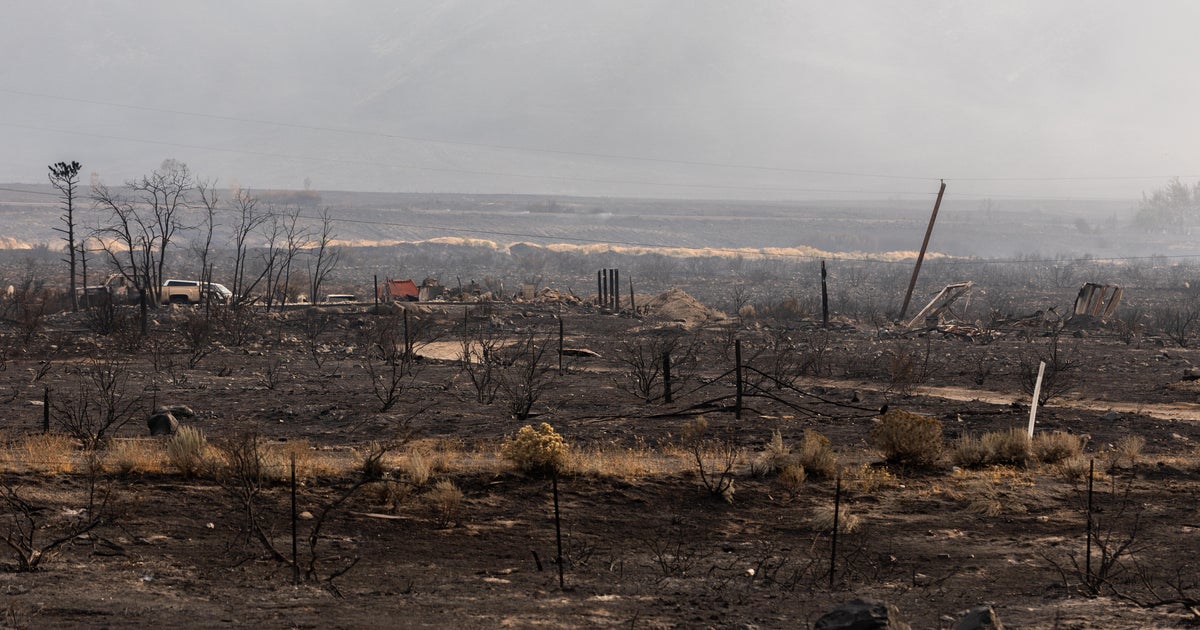
The Hawk Fire near Reno has become a test of whether official signs of progress can keep pace with a disaster still unfolding on the ground. Although crews reported growing containment, tens of thousands remained under evacuation orders or warnings as winds continued to redirect the flames.
Conservative coverage framed the blaze primarily as an immediate public-safety crisis: a “fast-moving wildfire” threatening Reno and forcing thousands from their homes. A separate conservative explainer focused on the essential questions surrounding the fire, including its spread, evacuations and response. That emphasis mirrors the experience of residents who had little time to prepare or flee.
Liberal coverage offered a more detailed account of both the emergency and the tentative recovery. Authorities said the fire was about 27% contained, with 23,000 people under “go-now” orders and 40,000 under “get-set” warnings—an improvement from roughly 90,000 people affected earlier in the day. But the gains came alongside a toll of at least 32 destroyed homes, six damaged homes, seven reported injuries and nearly 10,000 customers without power.
The competing emphases are not mutually exclusive. Containment figures describe firefighters’ progress, while evacuation figures show whether communities are safe enough to return. The fire’s human origin adds another layer of uncertainty: Chief Richard Edwards said, “We do know that the fire was human-caused,” but officials did not know whether it was intentional.
Residents described the crisis less as a measurable incident than as a sudden rupture. One evacuee said, “You don’t know if the winds are going to shift and it’s going to get worse.” Another Reno-focused report stressed that the blaze forced residents from their homes as it raced through shifting conditions. Together, the accounts show why partial containment has brought limited reassurance: the threat is smaller on paper, but not yet absent from neighborhoods, roads or homes.
Write a comment