Trump’s 50% Canada Tariffs Turn a Trade Dispute Into a North American Showdown
Trump’s 50% Canada Tariffs Turn a Trade Dispute Into a North American Showdown
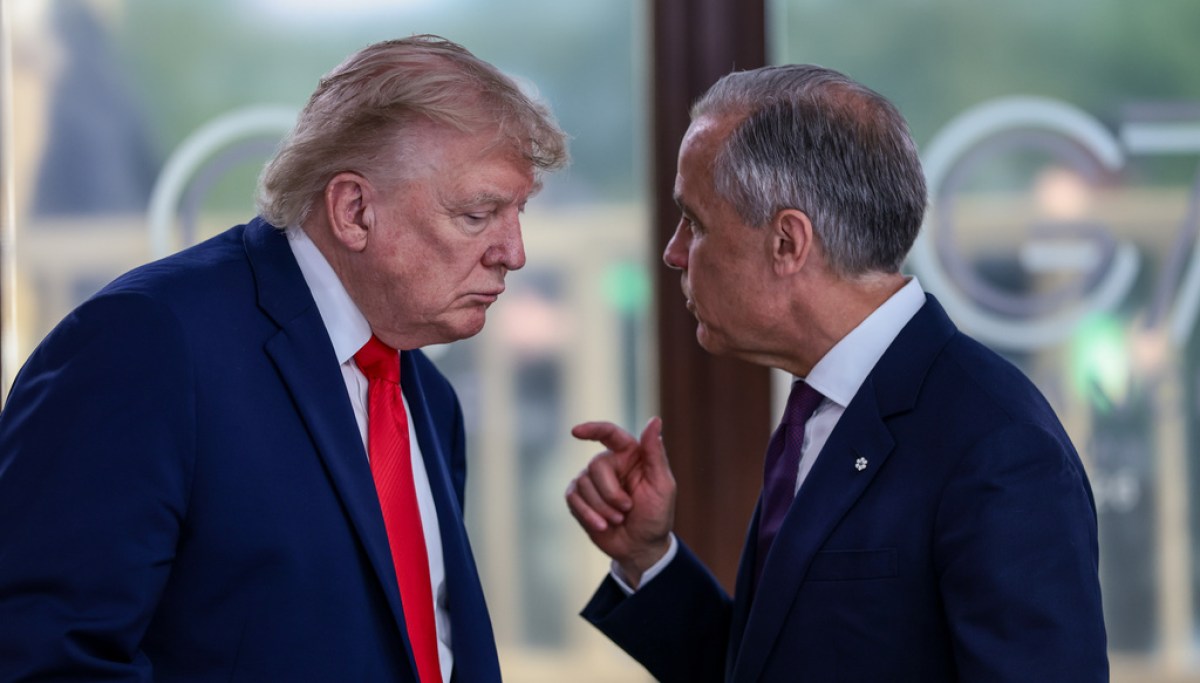
The latest U.S.-Canada trade dispute is no longer a negotiation tactic at the margins: it is becoming a test of whether economic pressure can repair a relationship built on deeply integrated supply chains. President Donald Trump says Canada has exploited the United States; Canadian leaders argue Washington is punishing workers and consumers on both sides of the border.
Trump announced that tariffs on Canadian cars, trucks, auto parts and steel will rise to 50% on Jan. 1, 2027, after trade talks collapsed. In the conservative framing, the move is a long-overdue response to Canadian agricultural barriers and a persistent U.S. trade deficit. Trump said Canada had been “ripping off the United States of America for years” and described the existing arrangement as “not sustainable.” Another conservative account emphasized his claim that Canada “needs” the United States because roughly 95% of its trade is conducted with America.
The liberal accounts present the same imbalance as leverage rather than proof of exploitation. Mark Carney said the new tariff was largely expected retaliation for what he called an “unjustified tariff,” while warning that Canadian demand supports workers in Michigan, Ohio, Kentucky and Alabama. Canada, he argued, is the largest foreign customer for U.S. automobiles—larger than several major markets combined.
Both sides agree that negotiations failed and that retaliation is now likely. Ottawa has pledged to respond “dollar for dollar,” while Trump has threatened still harsher consequences. The practical risk is clearest in autos: parts can cross the border repeatedly before assembly, potentially accumulating tariff costs. Even if Canadian vehicles represent a minority of U.S. sales, the supply-chain exposure makes the dispute broader than a simple contest over national trade balances.
Conservative coverage portrays the tariffs as an assertion of American strength; liberal coverage stresses economic interdependence and collateral damage. A further report notes that the new duties follow the collapse of talks and Canada’s retaliation pledge, underscoring how quickly bargaining has given way to escalation.
Write a comment