Syria Leaves America’s Terror List, but the Economic Gamble Is Just Beginning
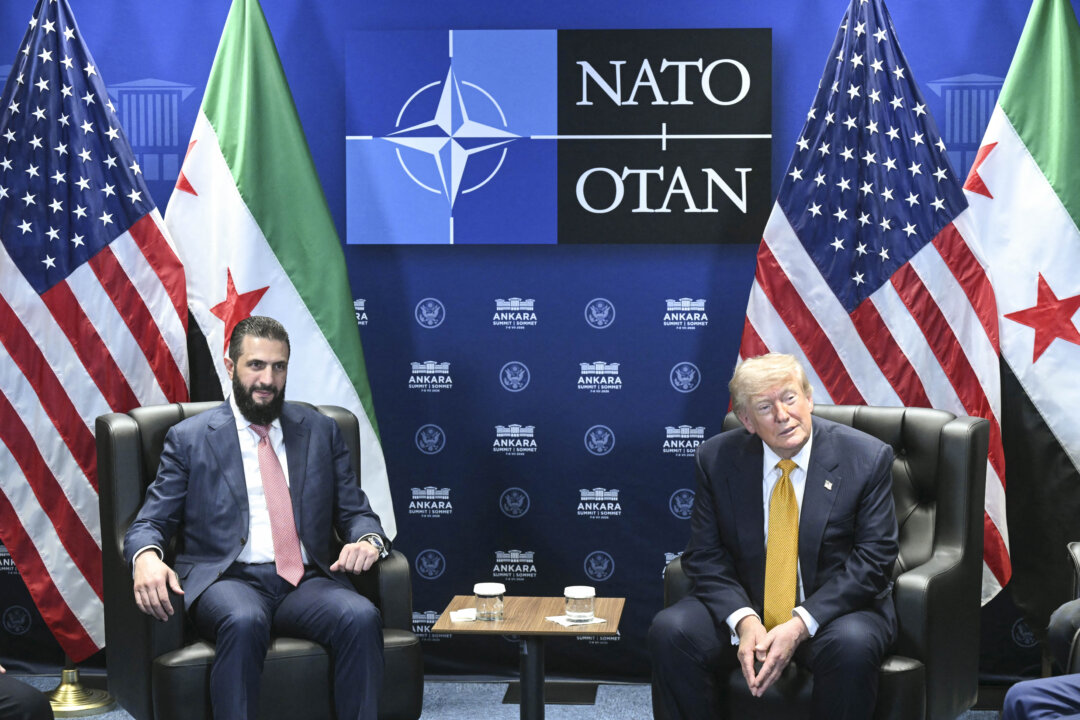
Syria Leaves America’s Terror List, but the Economic Gamble Is Just Beginning
For Syria, removal from the U.S. list of state sponsors of terrorism is both a diplomatic breakthrough and a test of whether promises of reform can translate into lasting economic recovery.
Secretary of State Marco Rubio formally rescinded the designation after a required 45-day congressional notification period, ending a status Syria had carried since 1979. The Trump administration portrays the decision as a national-security calculation: President Ahmed al-Sharaa’s government, it says, has taken steps to distance itself from international terrorism, including joining the coalition against ISIS and disrupting networks linked to ISIS, al-Qaida, Hezbollah and Iran-aligned groups. Rubio called the move “another historic step by President Trump to give the Syrian people a path to prosperity.”
The administration’s argument is primarily economic and strategic. Removing Syria from the blacklist, alongside the delisting of Hay’at Tahrir al-Sham as a Specially Designated Global Terrorist organization, is intended to clear major obstacles to private investment, banking and reconstruction. A separate account described the action as unlocking “new potential for Syria’s economic revitalization and progress,” while tying it to U.S. goals of peace and security in the Middle East.
Syrian officials emphasize the same outcome but from a different perspective. Foreign Minister Asaad al-Shibani said lifting the designation would restore links to the global financial system, while the central bank governor called it a “historic step” returning Syria to its “natural place” in the world economy. Their framing is less about Washington’s security benchmarks than about ending the financial isolation imposed after nearly 14 years of war.
The tension now shifts from the decision itself to its consequences. Washington expects continued counterterrorism cooperation; Damascus needs investors, functioning financial channels and political confidence. Delisting may remove a legal barrier, but it cannot by itself resolve Syria’s instability, governance concerns or the risks facing businesses entering a fragile post-Assad economy.
Write a comment