Mosseri’s Defense Puts Meta’s Safety Culture at the Center of the Trial
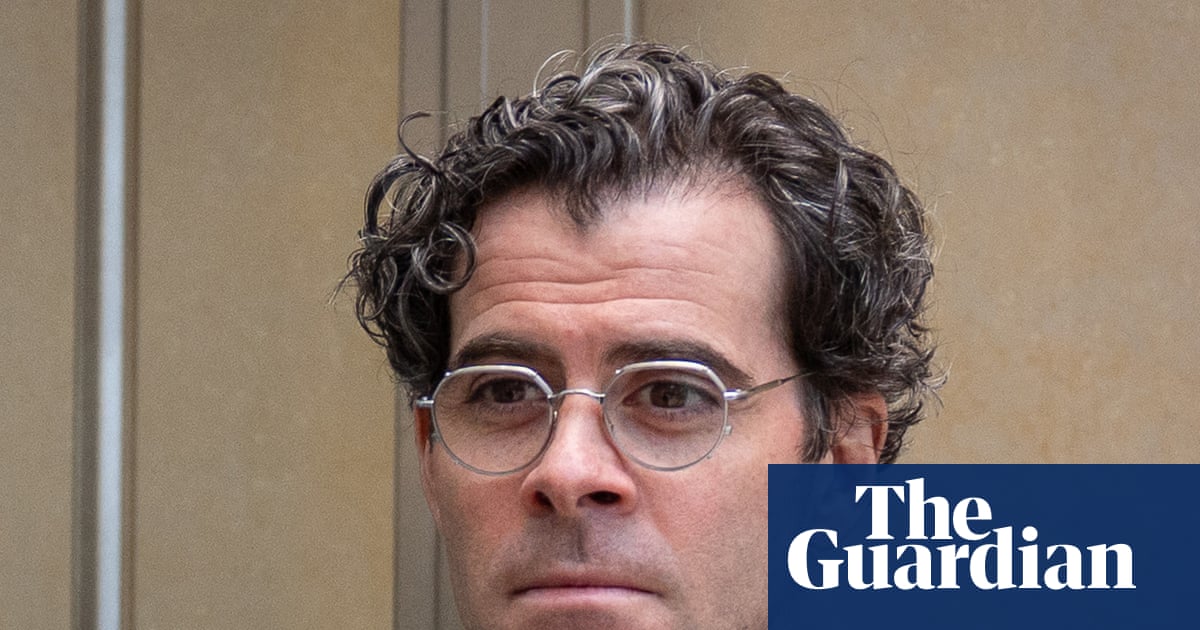
Mosseri’s Defense Puts Meta’s Safety Culture at the Center of the Trial
The trial over Instagram’s impact on young users has become a test not only of Meta’s safety measures, but of whether the company’s internal controls were designed to protect children—or protect Meta from accountability.
The case pits the company against 29 state attorneys general, who allege that Meta violated child-privacy and consumer-protection laws while misrepresenting the strength of its safeguards. The broader dispute is captured by the trial’s framing as a case “pitting Meta against states over social media harms.”
The states’ position is that executives, including Instagram chief Adam Mosseri and Meta CEO Mark Zuckerberg, publicly minimized risks despite internal research involving children and teenagers. They are seeking penalties that could reach $200 billion, making the proceedings one of the most consequential legal challenges yet to the company’s youth-safety policies.
Mosseri offered a sharply different interpretation. Questioned about whether lawyers or executives suppressed research on children under 13 and teen mental health, he said, “I’m not trying to encourage my team to hide anything.” He said he would be surprised if safety information were withheld to mislead the public, while acknowledging that Meta’s lawyers may review sensitive research for legal and policy reasons.
The sharpest contrast concerns Meta’s response to whistleblower Frances Haugen’s 2021 disclosures. Mosseri acknowledged that access to some internal research was narrowed, but said the aim was to prevent material from being taken “out of context.” He rejected the states’ suggestion that Meta reduced its youth mental-health research capacity, arguing instead: “I don’t think the team was smaller, it was just centralized.”
That distinction—concealment versus controlled access—now sits at the heart of the trial. The states see evidence of institutional defensiveness; Mosseri presents it as an imperfect but legitimate effort to manage sensitive information. His testimony is set to continue.
Write a comment