New Evidence Puts Lockerbie Trial—and Its Long-Awaited Reckoning—on Hold
New Evidence Puts Lockerbie Trial—and Its Long-Awaited Reckoning—on Hold
The nearly 40-year-old Lockerbie bombing case has hit another delay, just as jury selection was about to begin—raising fresh questions about whether the postponement will strengthen the pursuit of justice or prolong uncertainty for victims’ families.
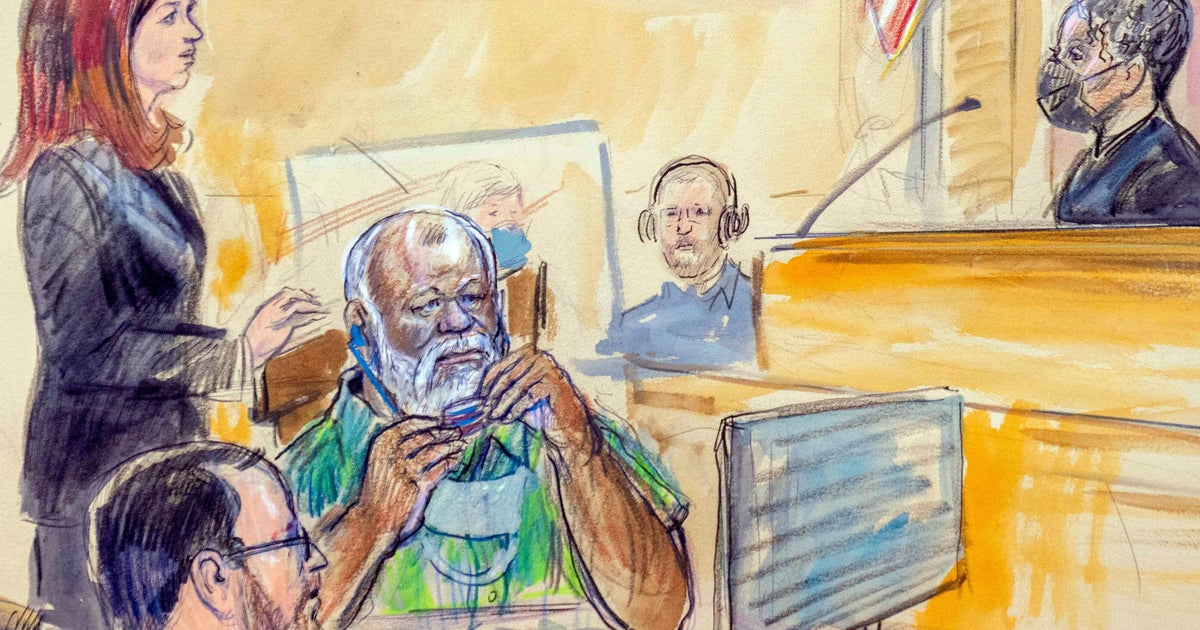
U.S. District Judge Dabney Friedrich postponed the Washington trial of former Libyan intelligence officer Abu Agila Mohammad Mas’ud Kheir Al-Marimi after defense attorneys received previously undisclosed evidence. Jury selection had been scheduled for Aug. 26, but the judge cited the case’s complexity and the defense’s need to determine how to respond.
The defense says the disclosure creates a constitutional obligation to investigate before proceeding. Prosecutors accuse Al-Marimi of helping build the bomb that destroyed Pan Am Flight 103 over Lockerbie, Scotland, on Dec. 21, 1988, killing 259 people aboard the aircraft and 11 residents on the ground. The case is the first U.S. trial tied to the attack.
The conservative account emphasizes the procedural trigger: the trial was delayed “after more evidence [was] disclosed,” underscoring how late developments can disrupt even a long-prepared prosecution. The liberal account adds the human and historical stakes, noting that relatives had already begun preparing to attend and that the victims’ organization received no details about the new material.
That tension is reflected in the response of Kara Weipz, whose brother was killed in the bombing. The delay, she said, was “a shock,” but “for almost 38 years we’ve been seeking the truth of what happened.” If the evidence helps establish that truth, she added, “this delay is worth it.”
A Sept. 1 hearing will address the case’s status. Al-Marimi, who denies the charges, faces a possible life sentence if convicted. The postponement offers the defense time to test the government’s case—but gives families still waiting for a definitive reckoning another interval of uncertainty.
Write a comment