Canada Hits Back at Trump as a Trade War Threatens to Raise Prices
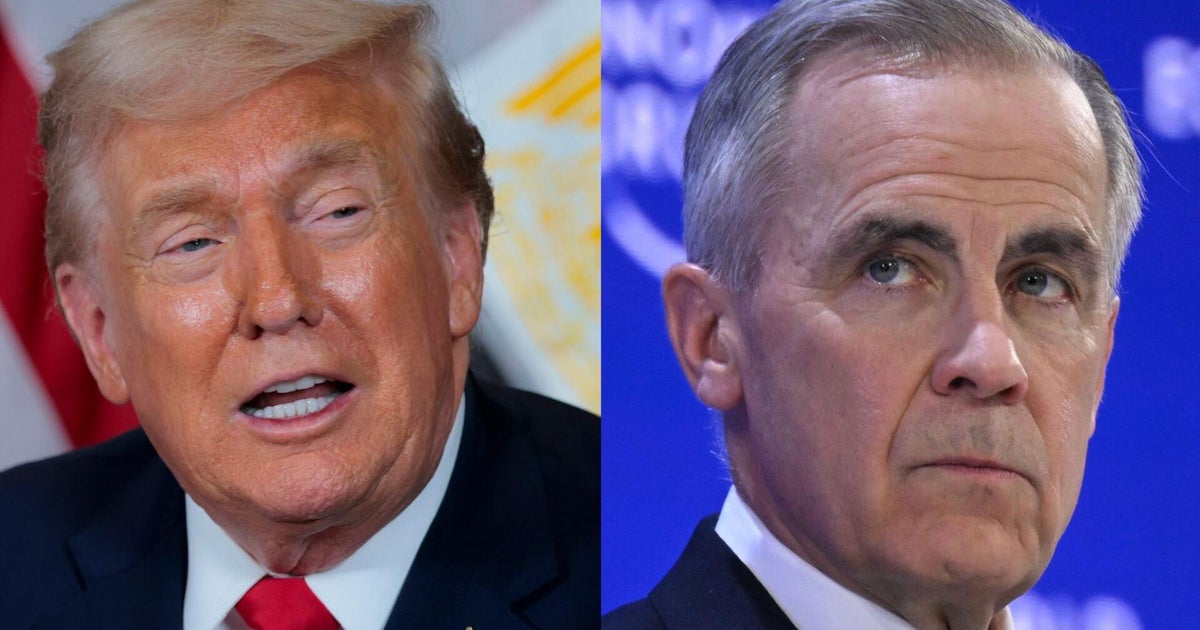
Canada Hits Back at Trump as a Trade War Threatens to Raise Prices
Canada is answering an escalating U.S. trade offensive with tariffs of its own, turning a failed negotiation into a test of economic resilience—and threatening to make consumers on both sides of the border pay for the standoff.
Ottawa said its countermeasures will cover C$27.6 billion (about US$20 billion) in American imports and take effect Sept. 8. The levies, ranging from 15% to 50%, target more than 700 products, including steel, aluminum, dairy, seafood, appliances, clothing, paper goods and recreational equipment. The government also announced C$7.5 billion in support for affected businesses and workers.
The Liberal government frames the move as disciplined retaliation rather than a rupture. Finance Minister François-Philippe Champagne said Canada would respond “dollar for dollar” and argued that Washington’s terms were “uneconomic, unfair and ultimately, unacceptable.” Industry Minister Mélanie Joly urged Canadians to buy domestic products as part of a “movement of resistance,” while Prime Minister Mark Carney acknowledged that retaliation would “raise costs and reduce choice for Canadians.”
Conservative-leaning coverage emphasizes the same nationalist message but presents Ottawa’s decision more as an unavoidable defense against U.S. pressure. Champagne described the dispute as one “we did not choose,” while pledging a “proportionate, targeted, and strategic” response. Another account highlighted the government’s promise of financial relief, quoting Champagne that Canada had to respond to consequences facing “workers, businesses, and communities.”
The differences are largely rhetorical: Liberal sources stress diversification, fiscal strength and the possibility of renewed talks; conservative sources focus on sovereignty and Washington’s confrontational tactics, including President Donald Trump’s threat to rename Lake Ontario “Lake America.” Yet both perspectives point to the same danger. Tariffs may demonstrate resolve, but they also raise input costs, narrow consumer choice and could widen a dispute that neither government says it originally wanted.
Write a comment