Ukraine’s Drone War Is Hitting Russia’s Retail Economy—and Giving the Kremlin a New Pretext for Takeovers
Ukraine’s Drone War Is Hitting Russia’s Retail Economy—and Giving the Kremlin a New Pretext for Takeovers
Ukraine’s expanding drone campaign against Russian e-commerce warehouses is exposing a sharp contradiction: Kyiv sees commercial logistics as a pressure point in the war, while Moscow is turning the damage into an argument for state intervention.
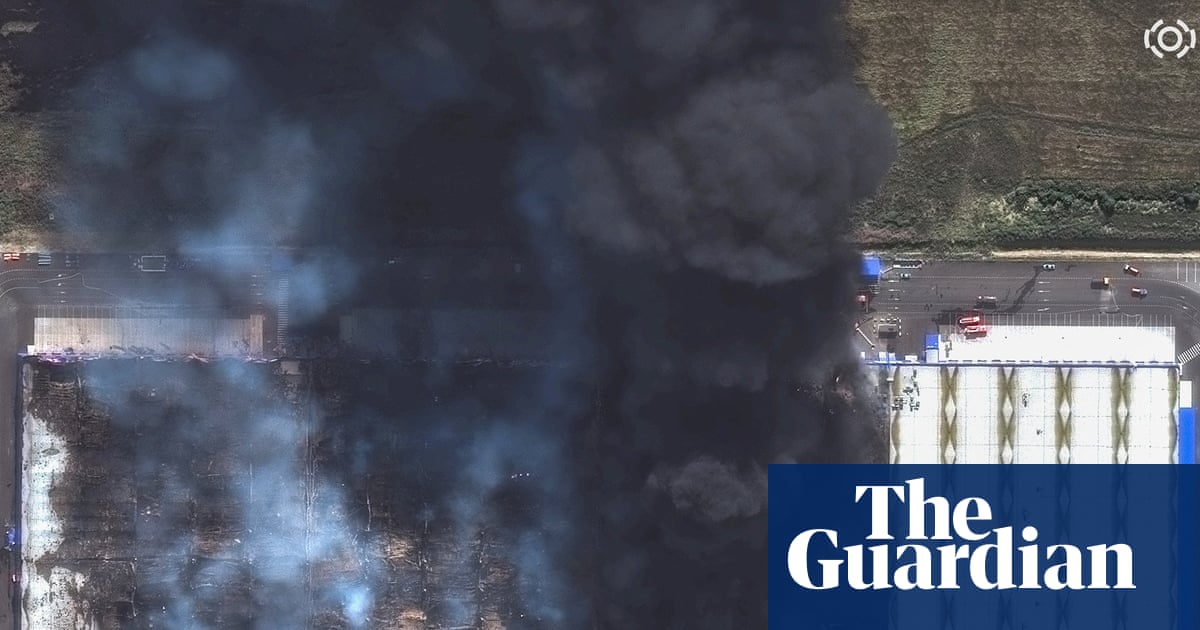
Ozon, Russia’s second-largest online retailer, reported attacks on facilities in southern and central Russia, bringing the number targeted within three days to six. A warehouse fire in the Samara region forced the evacuation of more than 500 workers, while other sites in Dagestan, Krasnodar, Adygea and Stavropol were damaged or temporarily shut. Ozon’s shares fell nearly 30% after the attacks, underscoring how quickly battlefield disruption can become a financial liability.
Ukraine frames the strikes as an economic and military operation, arguing that major retailers’ warehouses can hold dual-use goods and components supporting Russia’s armed forces. Its Defense Ministry said “systematic strikes on storage centers” were disrupting Russian logistics and damaging the wider economy. The campaign follows earlier attacks on Wildberries facilities, suggesting a deliberate shift toward the supply chains underpinning Russia’s wartime commerce.
The Kremlin’s interpretation is markedly different. Rather than treating the strikes solely as evidence of economic vulnerability, President Vladimir Putin has portrayed them as a threat requiring state protection. Under powers outlined in a presidential decree, authorities could seize assets and assume ownership of logistics, fuel, energy, transport and other facilities deemed inadequately protected or too slow to recover.
That response could deepen pressure on companies already facing financial strain. Analysts cited by The Guardian noted that Ozon’s main shareholder, AFK Sistema, carries substantial debt and may be unable to provide extensive support, unlike Wildberries, which is backed by state-owned VTB. Putin has promised government assistance to rebuild damaged warehouses “at a new technological level,” but the proposed remedy risks replacing private-sector weakness with direct state control.
Ukraine’s strategy is therefore producing two effects at once: immediate disruption to Russia’s commercial infrastructure and a political opening for the Kremlin to centralize ownership in the name of security.
Write a comment