Mail-Ballot Rules Ignite a New Election Power Fight
Mail-Ballot Rules Ignite a New Election Power Fight
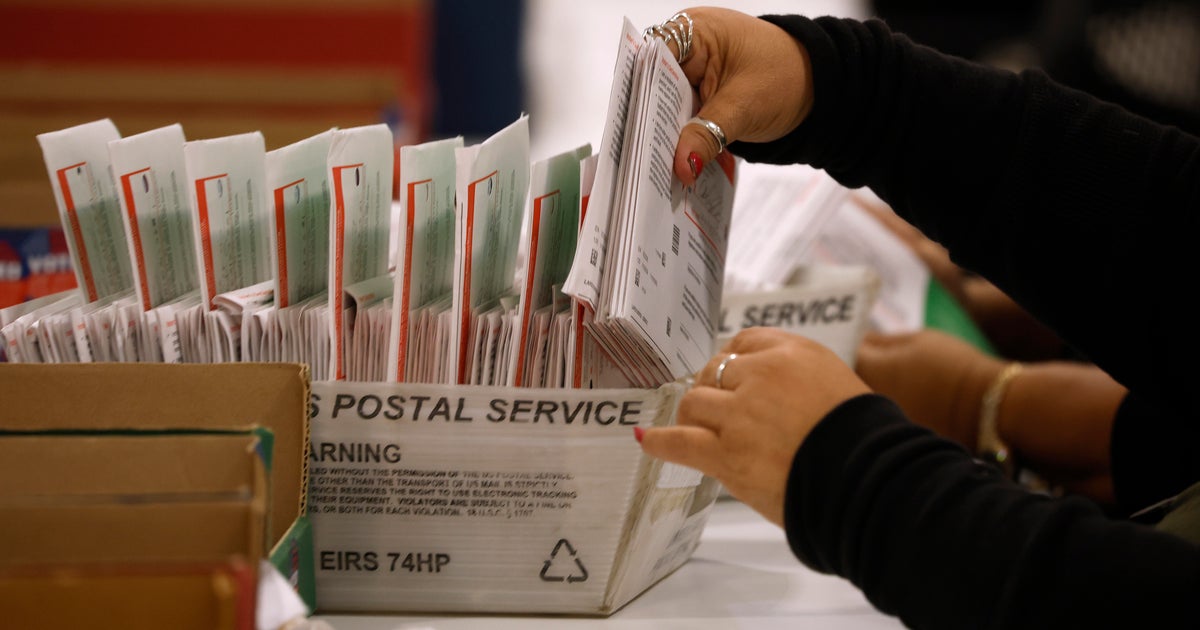
A fight over mail voting is rapidly becoming a test of who controls election administration: the states that run elections, or a federal government seeking greater visibility over ballots before the November midterms.
Twenty-four states and the District of Columbia sued the U.S. Postal Service in federal court in Massachusetts, asking judges to block a new rule requiring features such as trackable envelope barcodes and advance submission of the names and addresses of intended mail-ballot recipients. The coalition argues that the policy exceeds federal authority, conflicts with election and privacy laws, and arrives too late for states to implement safely.
The states’ complaint says, “The Rule violates the Constitution and federal statutes many times over,” arguing that USPS is displacing state election laws and imposing new functions without proper authority. California Attorney General Rob Bonta described the policy as “an unlawful overreach” and said it demonstrated how far President Donald Trump would go to control elections.
Their practical concern is as urgent as their constitutional objection. Election officials may need to redesign envelopes, secure USPS approval, build data systems, train staff and educate voters within weeks—changes the states say could cost millions and discourage some voters from using mail ballots.
The administration presents the same machinery as a safeguard rather than an intrusion. USPS says the participation lists would help officials and law enforcement identify “potentially anomalous incidents,” while insisting the agency will not determine voter eligibility, maintain voter rolls or count ballots. White House spokeswoman Lauren Bis accused Democrats of opposing “commonsense measures” intended to protect mail-ballot security.
The Supreme Court recently lifted an earlier injunction on procedural grounds, expressly leaving the rule’s legality unresolved. With ballots due to be mailed in some states within weeks, the dispute now moves to the merits—under a deadline that may itself shape the election’s administration.
Write a comment