Clancy Jury Must Decide: Postpartum Psychosis or Calculated Murder?
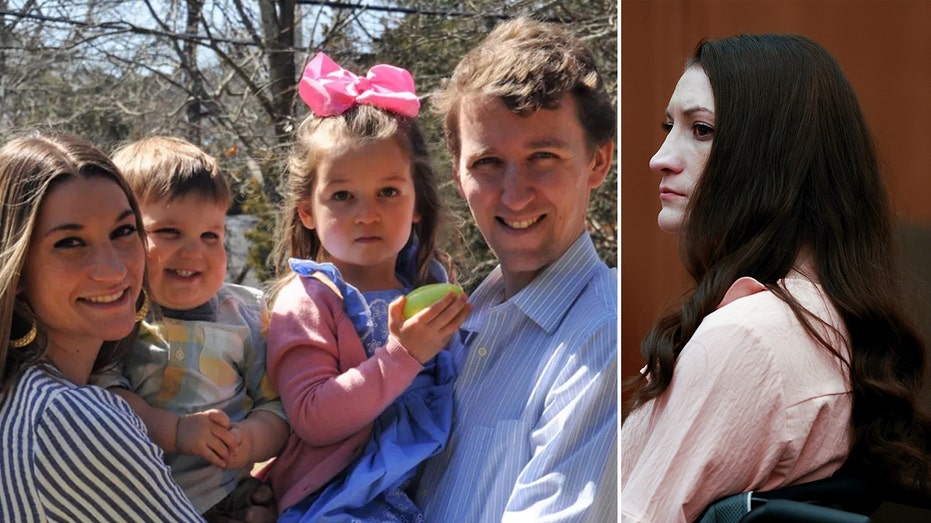
Clancy Jury Must Decide: Postpartum Psychosis or Calculated Murder?
The Lindsay Clancy trial has reached its central question: did postpartum psychosis sever her connection to reality, or did she knowingly carry out a devastating plan? After nearly five weeks of testimony, the jury must weigh competing interpretations of the same disturbing facts.
Prosecutors argue that Clancy’s actions showed control and intent. FBI psychiatrist Gregory Saathoff said she killed her three children in a rapid but organized sequence, then attempted suicide. Her visits to a pediatrician, preparation of lunch and construction of a snowman on the day of the killings were presented as evidence that she remained capable of ordinary, deliberate behavior. Saathoff said she had “control of the sequence of what she was doing throughout.”
The defense, however, portrays those same details against a backdrop of postpartum psychosis, undiagnosed bipolar disorder, profound insomnia and medication effects. Under cross-examination, Saathoff acknowledged that hormonal changes after childbirth can produce “intrusive and hard-to-control thoughts and hard-to-control behavior.” He also agreed that severe insomnia can lead to psychosis, though he rejected Clancy’s account that a voice directed the killings.
That dispute separates the two broader perspectives. The prosecution emphasizes method, sequence and legal responsibility; the defense emphasizes a rapidly deteriorating mind and failures in medical care. Saathoff conceded that the prosecution’s description of Clancy as someone who made a “calculated decision” could “really minimize what [Clancy] was going through.”
A former prosecutor in the Susan Smith case offered a similar but more skeptical reading of the defense. Rep. Tommy Pope said he saw no clear “break with reality,” asking whether Clancy “just commit[ted] a horrible, horrible crime and make a horrible, horrible choice.” Yet Pope also acknowledged a key difference from Smith’s case: Clancy’s motive remains difficult to identify. That uncertainty may complicate a verdict that ultimately turns less on motive than on whether she was criminally responsible when the killings occurred.
Write a comment