Nepal-Tibet Flood Disaster Exposes Both Climate Risk and Beijing’s Accountability Gap
Nepal-Tibet Flood Disaster Exposes Both Climate Risk and Beijing’s Accountability Gap
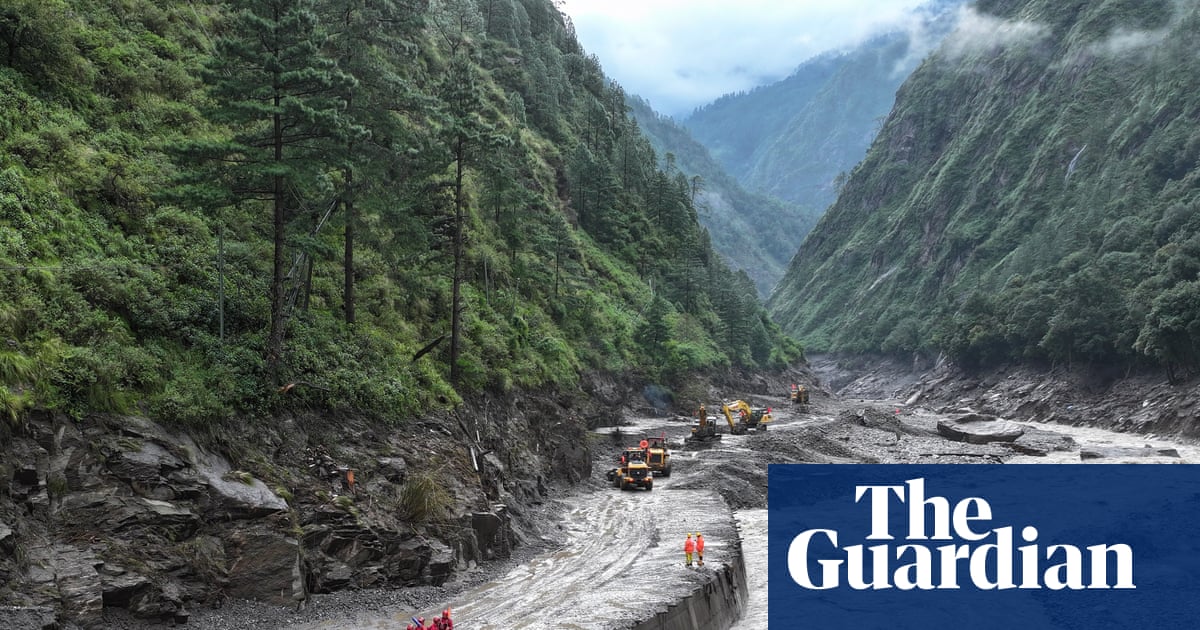
The Nepal-Tibet border disaster is no longer a single catastrophe but a cascading emergency: a deadly flood has killed hundreds, destroyed vital infrastructure and created a second threat in the form of a swelling lake.
Nepal’s reported death toll has risen to 469, with more than 1,300 people missing, while rescue teams in Tibet were ordered to withdraw amid fears that the newly formed lake could burst. The immediate challenge is practical and brutal: destroyed roads and bridges have cut off communities, while rescuers may have only minutes to respond to another surge.
Scientists broadly agree that a glacier or mass of ice and rock collapsed upstream, possibly damming a river before releasing a powerful wave. But they caution against declaring the flood a direct consequence of climate change. Jakob Steiner, a geoscientist at the University of Graz, described the event as a glacier’s lower section coming off “like someone cut with a huge knife through the whole lower part and it fell off.”
The climate-focused interpretation is therefore one of heightened risk rather than a definitive single cause. Rising temperatures are melting glaciers, destabilizing slopes and enlarging glacial lakes across the Hindu Kush Himalaya. Plan International’s Srijana Gurung called the disaster part of a pattern of “climate shock after shock,” arguing that the crisis is making floods and landslides “far more frequent and intense.”
A different emphasis comes from critics of China’s policies in Tibet. Conservative coverage highlights the immediate danger posed by the dammed lake, estimated at about 2 million cubic meters and already overflowing. Human Rights Watch’s Maya Wang, meanwhile, questioned whether Beijing’s large hydropower programme and state-led development have increased exposure to disaster, calling for international access and a rigorous investigation.
Those accounts converge on the need for faster warnings, better cross-border coordination and urgent aid. Washington offered humanitarian assistance, with Secretary of State Marco Rubio saying the State Department “stands ready to support the Government of Nepal.” Yet the disaster’s competing narratives reveal a deeper dispute: whether the priority is adapting to an unstable climate, scrutinizing development decisions—or both.
Write a comment