Stars and Stripes Firings Turn Into a First Amendment Fight Over Who Controls Military News
Stars and Stripes Firings Turn Into a First Amendment Fight Over Who Controls Military News
The fight over Stars and Stripes has moved from the newsroom to federal court, where three dismissed employees are challenging the Pentagon’s authority to police a publication that serves—and is funded in part by—the military community.
Former publisher Max Lederer, editor-in-chief Erik Slavin and Middle East reporter Lara Korte say their dismissals violated the First Amendment. Their lawsuit describes Stars and Stripes as a historically independent military news outlet and alleges that the Pentagon retaliated after the journalists defended the paper’s editorial autonomy and reported deteriorating conditions aboard the USS Abraham Lincoln.
The plaintiffs’ account hinges on timing. Slavin and Korte were accused of insubordination after appearing on CBS to discuss potential Pentagon censorship, but the complaint says officials took no immediate action. The lawsuit argues that the decisive trigger was a subsequent report describing food and water shortages, disrupted mail, exhausting schedules and mounting physical and mental strain among sailors on the carrier. Lederer was then ordered to fire the two journalists, he says, but refused and announced his retirement instead.
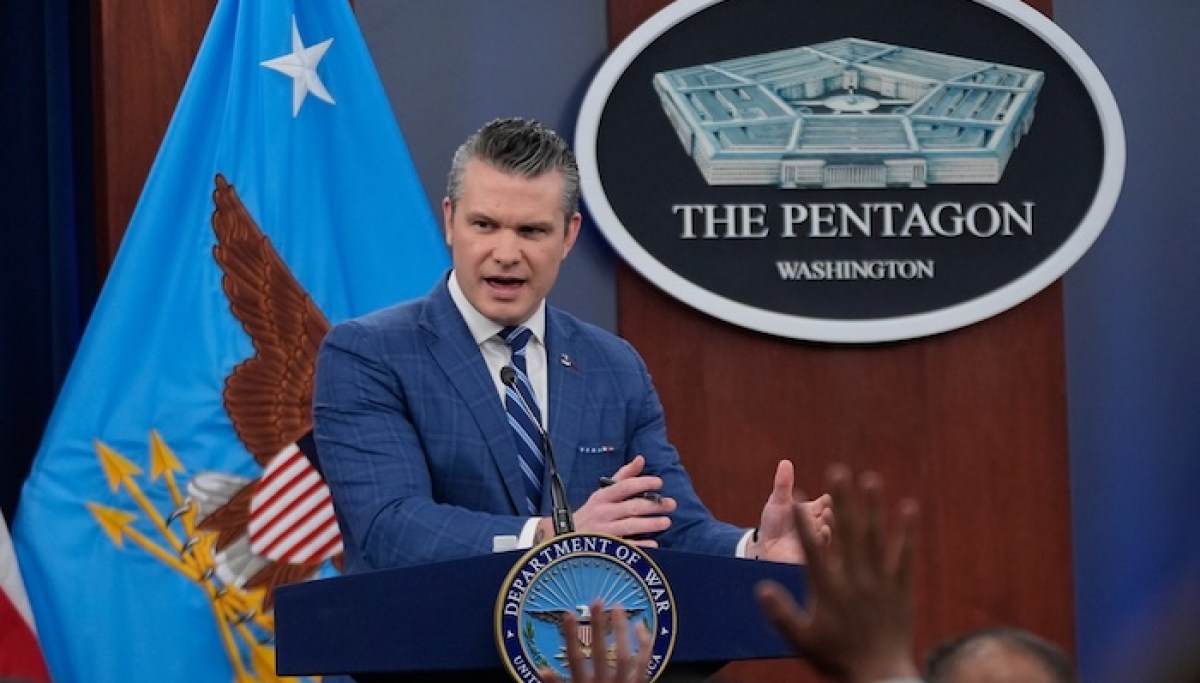
The Pentagon’s position is markedly different. Rather than acknowledging a retaliation case, officials have presented the changes as an effort to refocus Stars and Stripes on military reporting and modernize its operations. Pentagon spokesman Sean Parnell said the paper should move away from “woke distractions” and concentrate on warfighting, weapons, fitness and survivability.
That contrast is the central dispute: the former staffers see an effort to suppress uncomfortable journalism, while Pentagon officials describe a correction of mission and priorities. Both sides invoke the interests of service members, but they disagree over what best serves them—an independent press willing to expose institutional failures, or a government-backed outlet more tightly aligned with military objectives. The court case will test whether that distinction can survive direct executive control.
Write a comment