Mladić Dies in Prison, but the Battle Over His Legacy Lives On
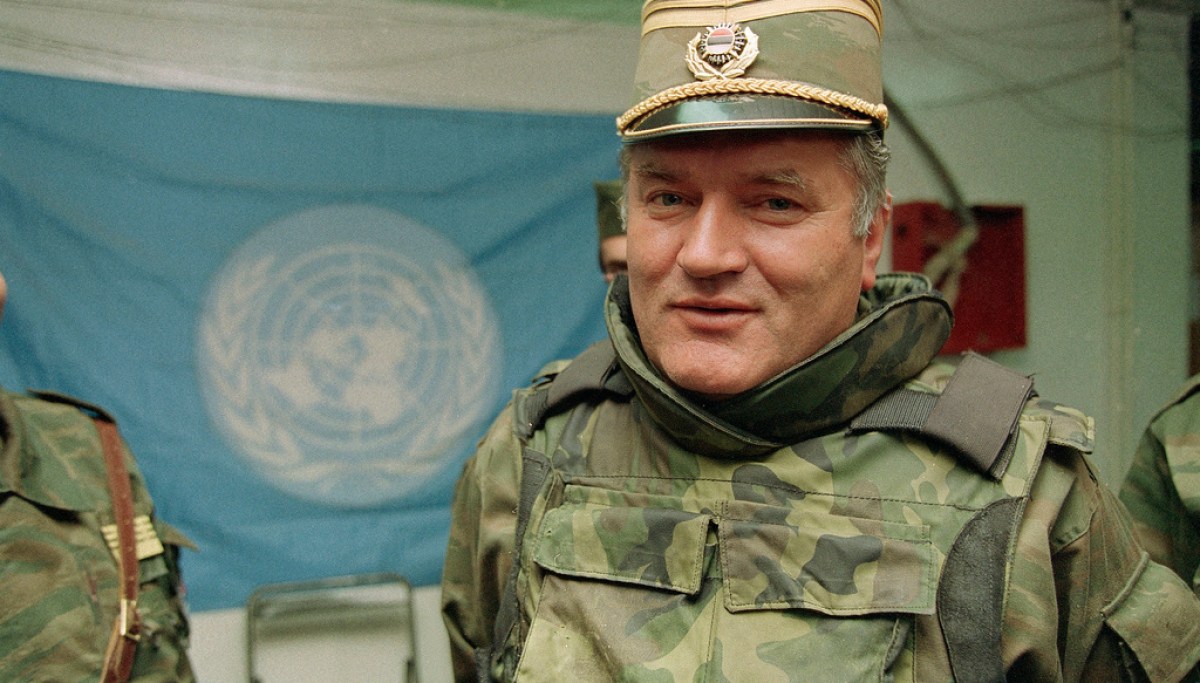
Mladić Dies in Prison, but the Battle Over His Legacy Lives On
Ratko Mladić’s death in a Hague prison ends the physical life of one of Europe’s most notorious war criminals, but it does not settle the meaning of his legacy. The competing accounts remain stark: convicted genocidaire on one side, national hero to some Serb nationalists on the other.
The conservative reports emphasize the basic arc of the case. Mladić, 84, commanded the Bosnian Serb army during the 1992–95 war and became synonymous with its worst atrocities. He was indicted by the International Criminal Tribunal for the Former Yugoslavia in 1995, sheltered for years by Serbian and Bosnian Serb authorities, and finally surrendered in 2011. One report identifies him as the “Butcher of Bosnia” and says he died while serving a life sentence for genocide. Another presents him as the former warlord who “oversaw atrocities” and died in prison at 84.
The liberal accounts place greater weight on the contradiction between Mladić’s public assurances and the crimes that followed. At Srebrenica, he told displaced civilians, “Don’t be afraid and don’t rush,” while prosecutors later established that his forces executed more than 8,000 Muslim men and boys. The same account describes the siege of Sarajevo, detention camps, forced expulsions and a campaign aimed at ethnically cleansing Bosnia of Muslims and Croats.
The Associated Press account likewise stresses the scale and method of the violence, including the destruction of civilian areas and Mladić’s recorded command to artillerymen: “Scorch their brains.” Yet it also acknowledges the enduring nationalist counter-narrative: Mladić and his admirers never repented and regarded him as a patriot fighting for a pan-Serbian state.
That is the central tension surrounding his death. The tribunal’s verdict defines Mladić through criminal responsibility and mass murder; his admirers define him through wartime nationalism and perceived resistance. His sentence has ended, but the ideology that elevated him remains contested—and, in parts of Serbia and Republika Srpska, alive.
Write a comment