Canada’s Seafood Tariff Retreat Exposes the Limits of Ottawa’s Trade Retaliation
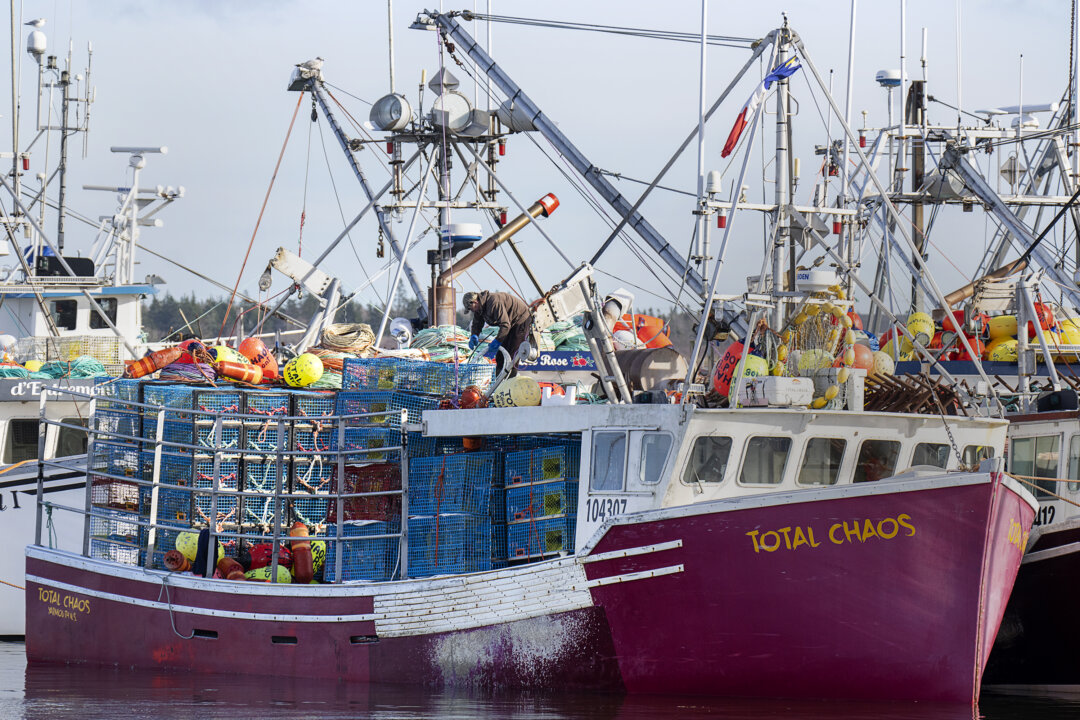
Canada’s Seafood Tariff Retreat Exposes the Limits of Ottawa’s Trade Retaliation
Canada’s retreat from planned seafood tariffs has exposed a sharp contradiction in its broader trade strategy: Ottawa wants to answer sweeping U.S. duties with force, but its own industries warn that retaliation could inflict damage at home.
The Finance Department said it made “select adjustments to protect against broader economic harms” after receiving industry “feedback.” The decision removes fish and seafood—including lobster, oysters, shrimp and salmon—from a retaliatory package that otherwise targets CA$27.6 billion in U.S. imports. Other dollar-for-dollar counter-tariffs remain, preserving Ottawa’s tougher response to Washington’s 50 percent duties on roughly US$20 billion in Canadian goods.
For the seafood sector, however, the policy threatened an unusually integrated cross-border system. Canadian processors rely heavily on Maine catches, with one industry executive estimating that 80 percent of Maine lobsters are shipped north for processing. The planned 25 percent tariff was also timed for the fall fishing season, when Canada buys about half of Maine’s lobster production.
Canadian officials initially framed the retaliation as a defense of national and economic sovereignty. But industry representatives said Ottawa had failed to account for the supply chain it was endangering. Kris Vascotto of the Nova Scotia Seafood Alliance said stakeholders were “blindsided,” while still expressing support for protecting Canada’s economic interests.
The reversal therefore drew approval from both sides of the border. Maine Lobstermen’s Association leader Patrice McCarron said keeping seafood tariff-free would “protect our shared supply chain” and prevent unnecessary harm. The episode also attracted criticism from politicians across party lines, suggesting the dispute is less about ideology than logistics: broad retaliation may project resolve, but targeted exemptions can be necessary when two economies are tightly intertwined.
Write a comment