Nepal Floods Turn a Natural Disaster Into a Race Against Time
Nepal Floods Turn a Natural Disaster Into a Race Against Time
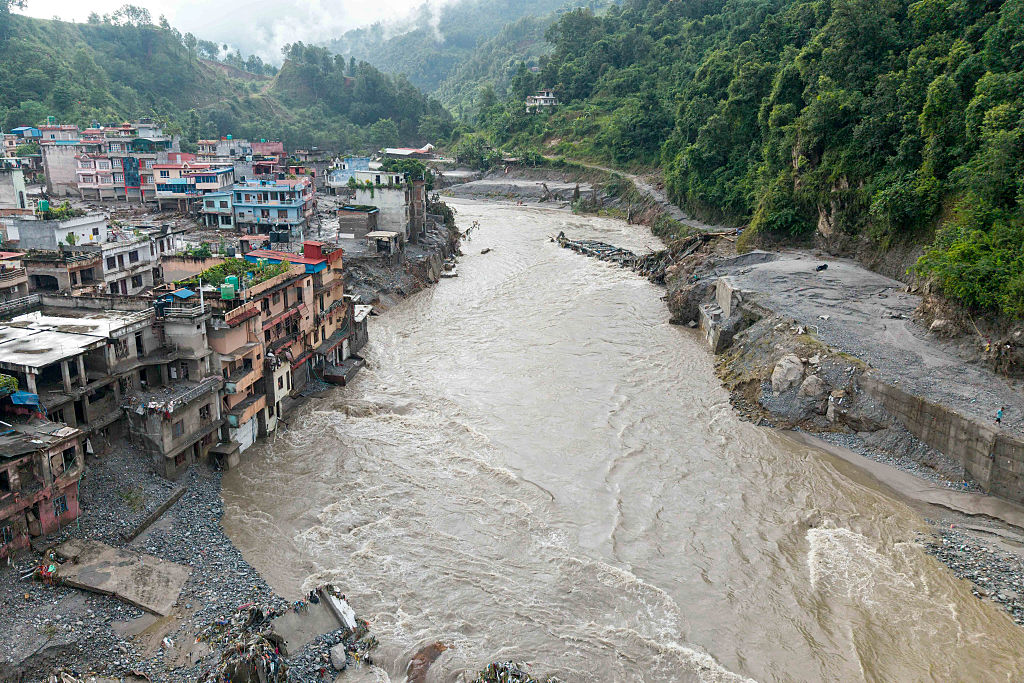
The Nepal-Tibet border is facing a disaster measured not only in deaths, but in uncertainty: catastrophic floods have destroyed routes through the Himalayas while rescue teams search for thousands of missing people.
Both accounts attribute the destruction to a glacier collapse that sent a torrent of rock, ice, mud and debris through river systems on Aug. 26. The scale is immense. One report says close to 600 people have died, with more than 90 Americans still missing, and describes survivors recounting moments when they believed they would not live. Another puts the confirmed death toll at 579 and the number missing at almost 2,500, while estimating that more than 90,000 people have been affected.
The difference between the accounts is less about the nature of the catastrophe than its emphasis. The first centers on human experience—survivors’ fear and the continuing absence of American citizens. The second offers a broader accounting of the disaster and details the international exposure of the missing, including 41 Australians.
That tally includes people on hiking tours and pilgrims. Twenty-two Australians are reportedly missing from three separate hiking groups, including 15 traveling with the U.S.-based Himalayan Glacier Adventures. Four others lost contact while traveling independently, while a group of 14 family friends was on a pilgrimage described as Hindu-Australian.
Together, the reports portray a crisis in which rescue efforts face both physical devastation and incomplete information. The numbers vary, but the central reality is consistent: a glacier-triggered flood has turned a popular trekking and pilgrimage region into a vast, fractured search zone, with foreign visitors among those still unaccounted for.
Write a comment