The 9/11 Prosecution Loses Its Most Important Evidence
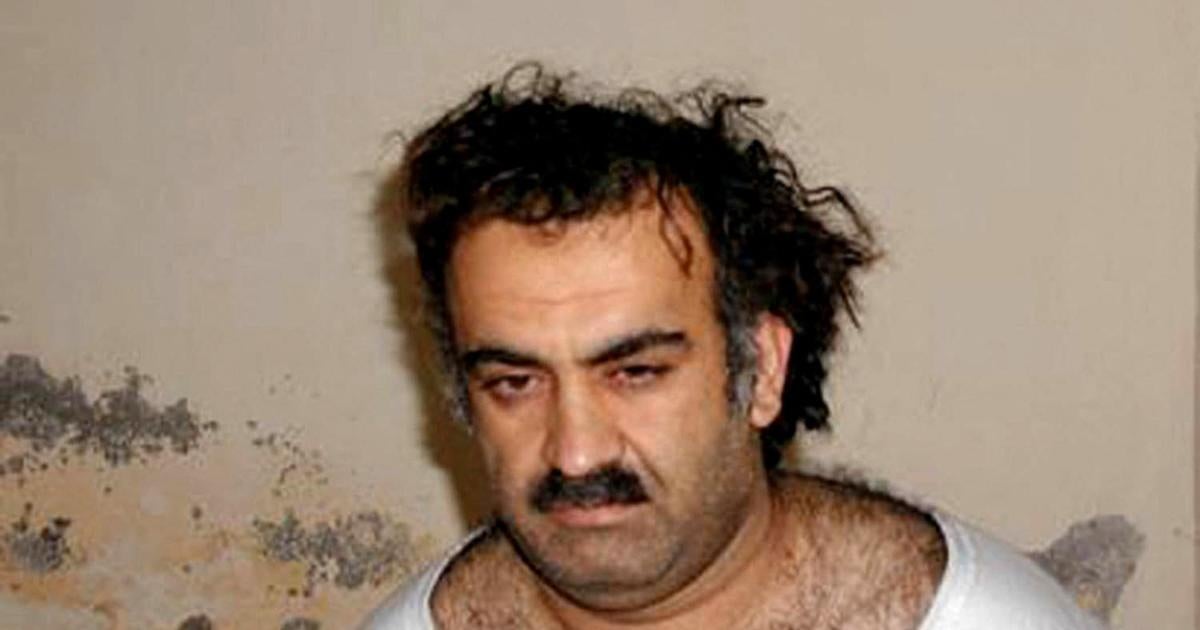
The 9/11 Prosecution Loses Its Most Important Evidence
The prosecution of alleged 9/11 mastermind Khalid Sheikh Mohammed has suffered a major setback, with a military judge ruling that statements central to the case cannot be used at trial. The decision threatens to further prolong a legal process already moving toward its 2028 trial date.
From the prosecution’s perspective, the ruling strips away Mohammed’s 2007 confessions to FBI agents and complicates the effort to establish responsibility for the September 11 attacks. The judge also excluded statements from later FBI interrogations, according to reporting on the decision.
The ruling, however, reflects a sharply different interpretation of those interrogations. Rather than treating the FBI statements as an independent account, the defense position—and the judge’s conclusion—rests on whether they followed earlier coercive treatment and could fairly be considered voluntary. Air Force Lt. Col. Michael Schrama wrote that “the prosecution has failed to prove by a preponderance of the evidence that Mr. Mohammad’s statements to the F.B.I. were voluntarily given.”
That legal finding has consequences beyond the evidentiary dispute. CBS News described the ruling as a “major obstacle” to bringing Mohammed to justice nearly 25 years after the attacks, while noting that the trial is now scheduled for June 2028. Both perspectives point to the same underlying reality: the case remains focused on accountability for the deadliest terrorist attack in U.S. history, but the government’s pursuit of that accountability has been slowed by the methods used to obtain evidence.
The decision does not end the prosecution, but it raises the burden on prosecutors to build a case without the excluded confessions. For victims’ families, the ruling may represent either a necessary safeguard against tainted evidence or another painful delay in a pursuit of justice that has already lasted decades.
Write a comment