Laser strikes expose the border’s new escalation dilemma
Laser strikes expose the border’s new escalation dilemma
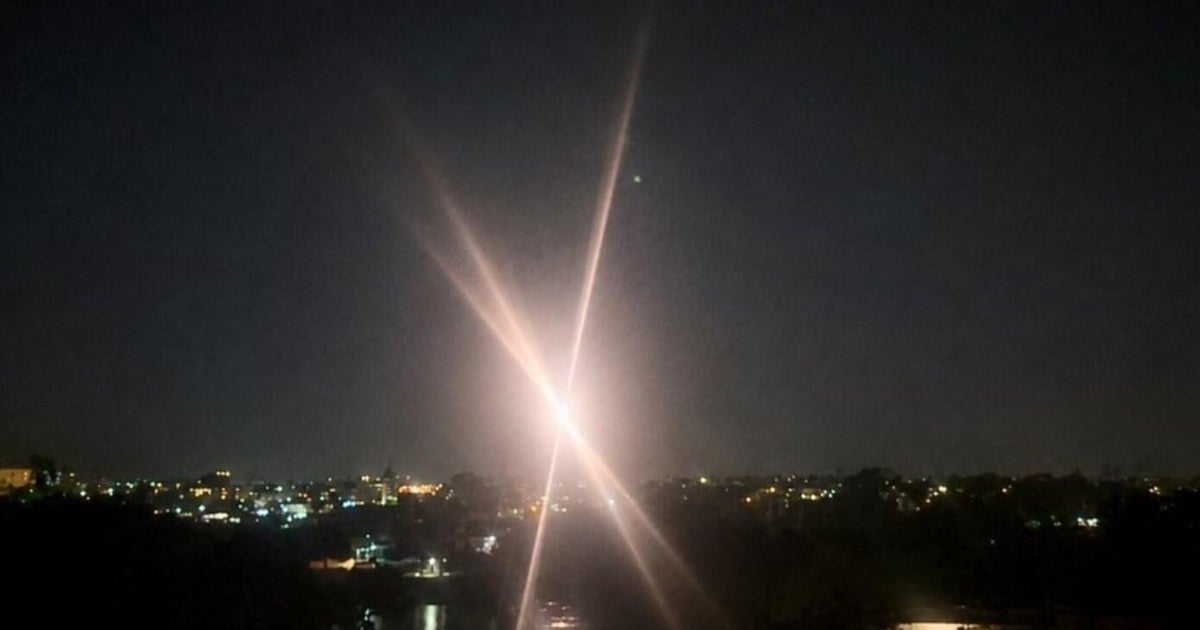
The U.S. military’s use of a high-energy laser against three alleged cartel drones signals a sharper response to border surveillance—but also exposes how little the public knows about the rules governing these operations.
Conservative coverage presents the strikes as a forceful demonstration of military capability, describing the action as the military using a laser to “blast cartel drones at southern border.” That framing emphasizes deterrence and the government’s willingness to meet cartel technology with advanced weaponry.
The Pentagon’s account is more qualified. USNORTHCOM said the drones were deemed “hostile” because they supported activities posing a physical threat to U.S. troops and Customs and Border Protection, while Maj. Gen. Curtis Taylor said cartel networks are using drones for “illicit human-smuggling and actively spy on our personnel and law enforcement partners.” The military portrays the laser as one layer in a broader counter-drone strategy, not merely a dramatic battlefield tool.
The liberal report, however, highlights the operation’s unresolved questions: officials did not identify the location, the cartels involved or whether the drones were downed in U.S. or Mexican airspace. USNORTHCOM said the shots were taken “in coordination with all partners operating along the border,” but cited operational security for withholding further details. That caution matters because the system has already accidentally destroyed a U.S. Border Patrol drone, and earlier tests prompted an airspace shutdown near El Paso.
Both perspectives agree that cartels increasingly use drones for surveillance and smuggling support. They diverge over what the strikes represent: conservatives see a credible show of force, while liberal coverage stresses accountability, uncertainty and the risk that counter-drone operations could create new security problems of their own.
Write a comment