A Golf Ad Meant to Be Edgy Instead Shoved Good Good Golf Out of the Game
A Golf Ad Meant to Be Edgy Instead Shoved Good Good Golf Out of the Game
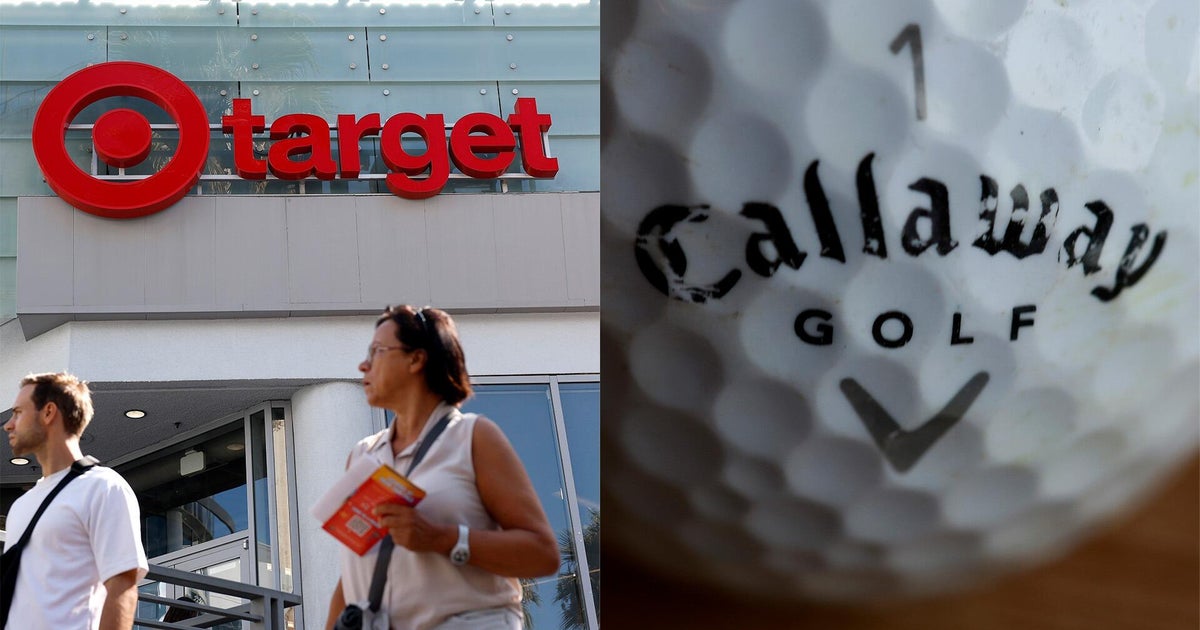
A golf advertisement intended to project swagger instead became a test of how far sports brands can go for attention—and how quickly an edgy joke can turn into a corporate liability. The fallout has cost Good Good Golf its Callaway partnership and a PGA Tour sponsorship. The ad was described as showing a man shoving a woman to the ground after she touched his golf club.
The 60-second spot featured Good Good co-founder Garrett Clark pushing golfer Alexis Miestowski to the ground as she reached for a co-branded Callaway driver. Clark then warned her, “Do not touch my new driver.” Good Good said the concept was intended as a parody of the horror film “Obsession,” but critics saw something more direct: an attempt to make violence against a woman part of a macho golf joke.
That gap in interpretation defines the controversy. Good Good’s defense rests on intent and parody; its critics have focused on the image produced and distributed, arguing that the result trivialized domestic violence. Crisis communications expert Patrick Riccards said the company “approved the offensive ad, they produced the offensive ad, they released the offensive ad,” leaving little room for a simple claim of misunderstanding.
Callaway initially apologized, with CEO Chip Brewer writing, “That approval should never have happened. Mistakes were made, and we are taking the matter very seriously.” But the company ultimately went further, ending the three-year partnership and pledging $1 million to organizations working to prevent violence against women. It acknowledged that the steps “do not undo the harm caused or excuse our role in it.”
Good Good co-founder Clark later called the commercial “the worst ad known to man” and said it was “not what we stand for.” Yet the contrasting responses reveal the central problem: apologies can reject an ad’s message, but they cannot erase the judgment involved in making it, approving it and putting a major brand behind it.
Write a comment