Crockett’s Refusal to Campaign for Talarico Exposes Democrats’ Texas Divide
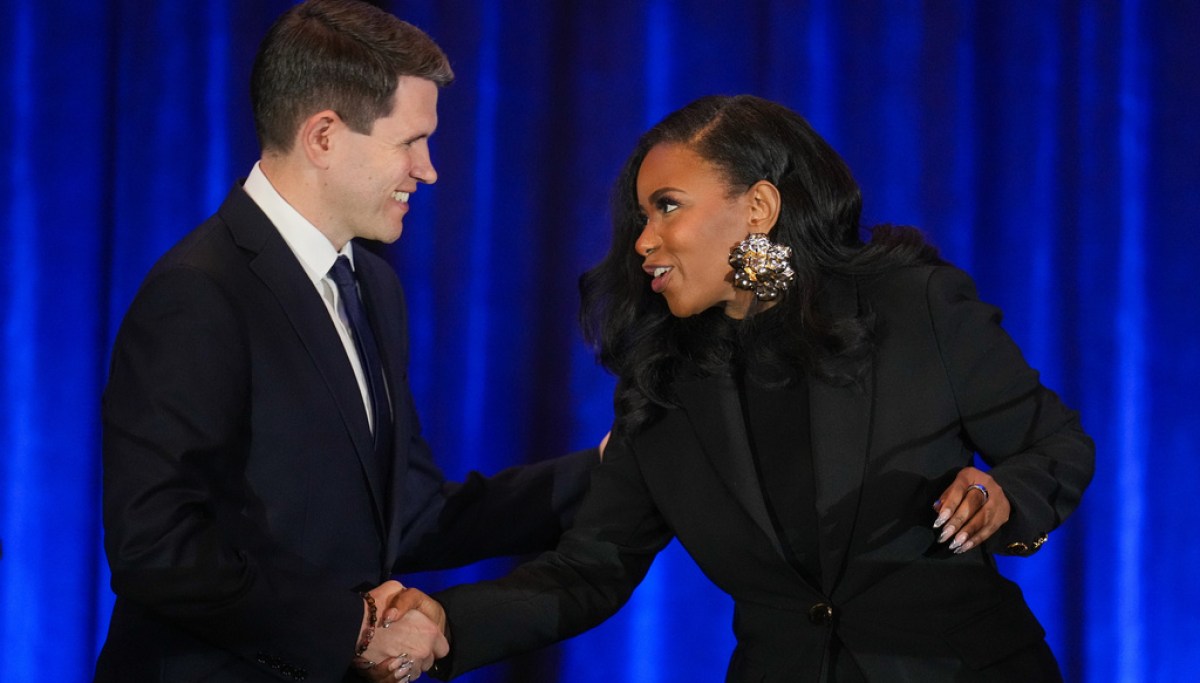
Crockett’s Refusal to Campaign for Talarico Exposes Democrats’ Texas Divide
Rep. Jasmine Crockett’s decision to skip the campaign trail for fellow Democrat James Talarico turns a primary defeat into a broader test of party unity—and of Democrats’ ability to mobilize key Texas constituencies.
Crockett said she will concentrate on down-ballot candidates instead of appearing alongside Talarico, who is challenging Republican Attorney General Ken Paxton for a Senate seat. Her stated priority is building turnout across the ballot, particularly for candidates she believes are being eclipsed by the high-profile Senate race. She described her aim as “amplifying” candidates who “maybe are getting overshadowed.”
That explanation presents the decision as strategic rather than personal. Yet the timing and history make the split difficult to ignore. Crockett lost the Democratic primary to Talarico by six points and has continued to describe the contest as a “racist race.” Her refusal to campaign for him therefore signals unresolved distrust within a party that needs broad cooperation to compete statewide.
Crockett also questioned whether Talarico is generating enough enthusiasm among Black voters, saying she did not “think that there is excitement” in that community this cycle. That assessment clashes with a recent Texas Public Opinion Research poll cited in the report, which gave Talarico a six-point overall lead and showed him ahead among Black voters, Latino voters, younger voters, women and college-educated voters.
The competing narratives are clear: Crockett emphasizes turnout infrastructure and skepticism about enthusiasm, while the poll suggests Talarico has assembled a potentially competitive coalition. Both perspectives underscore the same problem—Democrats must convert favorable demographic numbers into participation. With the party seeking its first Texas Senate victory since 1988, the nominee’s challenge is not only defeating Paxton but persuading prominent Democrats to help sell the campaign.
Write a comment