Trump’s Venezuela Oil Deal Promises Cheap Gas but Sparks a Land-Grab Backlash
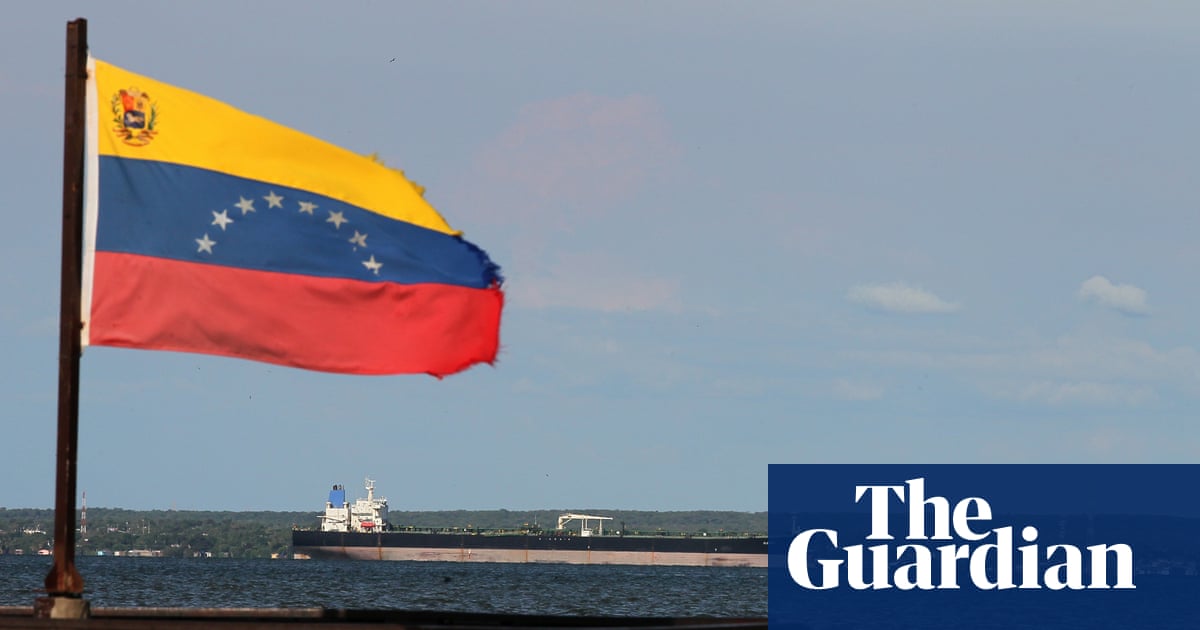
Trump’s Venezuela Oil Deal Promises Cheap Gas but Sparks a Land-Grab Backlash
Donald Trump’s new Venezuela oil agreement is being sold as an American energy windfall—but its unclear terms and sweeping U.S. control have quickly turned it into a test of whether “America First” means investment, leverage or outright extraction.
Conservative coverage has emphasized the scale of the arrangement, describing it as a deal for the United States to “take control” of 65 billion barrels of reserves and highlighting U.S. access to Venezuela’s vast energy resources. That framing aligns with the administration’s central argument: American control could increase supply, replenish strategic reserves and eventually reduce gasoline prices.
The available details, however, point to a more complicated structure. Trump said the agreement was reached “at no cost to the American Taxpayer” through a private-sector partnership, while a U.S. official told CBS News that Washington would control 55% of a joint venture operating under a 100-year concession. The private companies involved have not been identified, and expanding production in Venezuela’s damaged oil industry could take years.
Administration officials and Venezuela’s interim government describe the arrangement as mutually beneficial. Marco Rubio called it “a huge win for both the American and Venezuelan people,” arguing that it would secure stable reserves, support investment and lower U.S. gas prices. Rubio repeated that message on X, saying the agreement represented an “America First” foreign-policy success built around low-cost oil and hemispheric energy security.
Venezuelan opposition figures see the same deal in sharply different terms. One described it as “a land grab – a massive land grab,” condemning what he called a “rapacious, mafioso United States.” That criticism draws force from Venezuela’s history of nationalizing foreign assets and from oil companies’ warnings that legal protections remain untested. ExxonMobil’s chief executive has said the country is still “uninvestable” without major reforms, noting that the company’s assets were seized twice.
The agreement therefore offers Washington a powerful political slogan before U.S. elections, but not yet a guaranteed supply of cheaper fuel. Its economic promise depends on investments, production and legal stability that remain uncertain—while its political cost is already visible.
Write a comment