Iceland’s EU Vote Turns Into a Test of Security and Sovereignty
Iceland’s EU Vote Turns Into a Test of Security and Sovereignty
Iceland’s referendum on reopening European Union membership talks is forcing voters to weigh a familiar question—how much sovereignty they are willing to trade for economic and political integration—against a newly unsettled security environment.
The ballot is nonbinding and does not decide whether Iceland joins the EU. A “yes” would only restart negotiations, with any eventual agreement requiring another referendum and ratification by all 27 member states; a “no” would shelve the issue. That deliberately limited choice has not reduced the political stakes. The final polls showed the pro-talks camp ahead by just 2.6 percentage points, making the result too close to call.
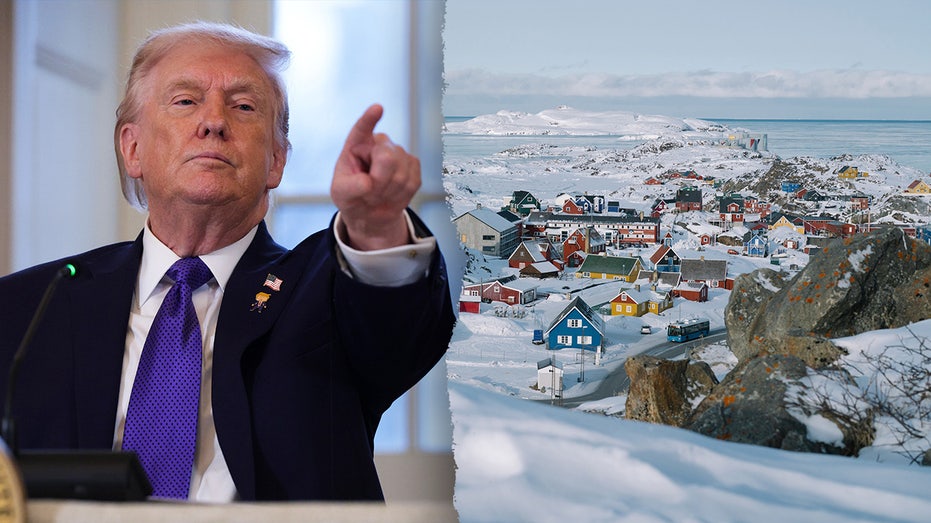
Supporters of reopening negotiations see the EU as a possible extension of Iceland’s strategic options. The country has no military of its own and depends on NATO and a longstanding defense agreement with the United States, while its location—about 180 miles from Greenland—has become more consequential as President Donald Trump repeatedly presses for U.S. control of the Danish territory. For some Icelanders, closer European ties could provide an additional layer of security amid doubts about Washington’s intentions and the reliability of traditional alliances.
Opponents, by contrast, remain wary of reviving a membership bid that Iceland abandoned more than a decade ago. The debate reflects a deeply independent political culture, with concerns about sovereignty and control over national affairs competing against arguments for greater influence inside Europe.
Prime Minister Kristrún Frostadóttir has promised to respect the outcome, even though it is technically nonbinding. She described the campaign as “a tight race, extremely exciting,” while arguing that it had elevated discussion of “Iceland’s place in the world” and its wider geopolitical position. That framing captures the referendum’s central tension: voters are not yet choosing the EU, but they are deciding whether a changing security landscape justifies reopening the door.
Write a comment