Nepal’s Flood Crisis Is Worsening as Warnings Collide With the Scale of the Disaster
Nepal’s Flood Crisis Is Worsening as Warnings Collide With the Scale of the Disaster
Nepal is confronting a second wave of danger before it has recovered from the first: rising river levels are threatening fresh flooding as rescue teams struggle to reach communities devastated by last week’s disaster.
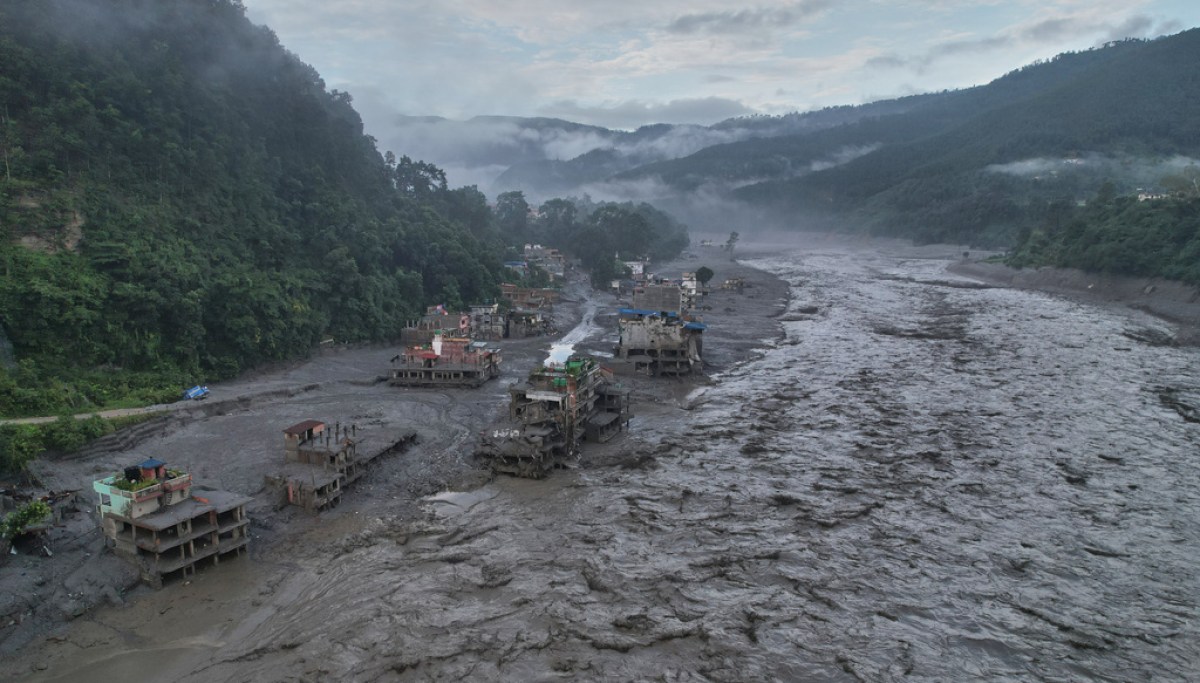
Authorities issued phone alerts on Sunday after the Bhotekoshi River rose, urging people in flood-hit districts to remain on high alert. One account emphasizes the immediate, practical crisis—crews clearing a major highway, residents returning to destroyed homes, and survivors in Dhading searching for anything salvageable. It describes the flooding as “catastrophic,” with at least 800 people dead and more than 3,000 still missing in Nepal and Tibet.
A second report presents the same emergency through a more dramatic lens, saying the Himalayan river had surged “like a tsunami” before rising again amid torrential seasonal rains. It places the renewed warning against a death toll that has passed 800 and the continuing uncertainty surrounding thousands of missing people. The two perspectives largely agree on the facts—danger is ongoing, losses are immense and recovery remains out of reach—but differ in emphasis: one foregrounds logistics and local hardship, while the other highlights the force and unpredictability of the disaster.
The response from Washington adopts a humanitarian and diplomatic posture rather than offering operational detail. Secretary of State Marco Rubio said, “We express our solidarity and are united in prayer for the Nepali people,” adding that the State Department was ready to provide needed assistance. That pledge contrasts with the reports’ grounded portrait of blocked roads, ruined homes and communities still facing immediate physical danger. Nepal’s central challenge is therefore not only securing aid, but delivering it while the rivers remain capable of producing another catastrophe.
Write a comment