U.S. Says It Prevented a Hormuz Threat as Iran Vows Retaliation
U.S. Says It Prevented a Hormuz Threat as Iran Vows Retaliation
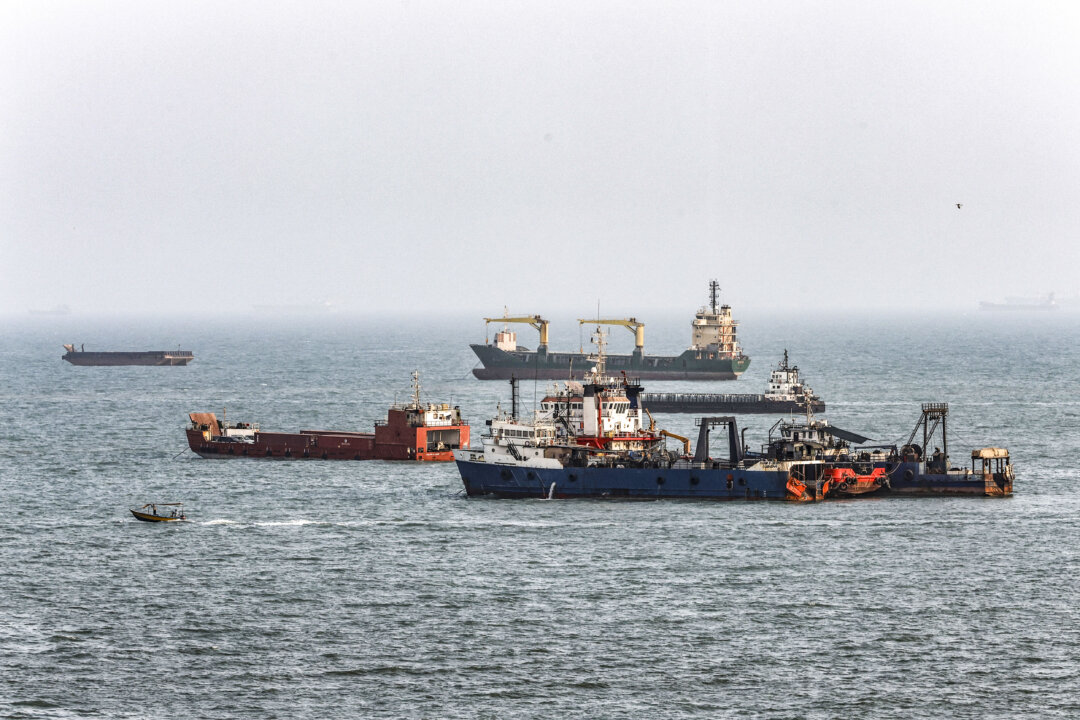
The U.S. strike on Iran’s Larak Island has reopened a military front that Washington had appeared to pause, turning the Strait of Hormuz into the clearest test of whether deterrence can prevent a wider escalation.
Washington presents the operation as a limited defensive action. U.S. forces targeted two rocket launchers after observing Islamic Revolutionary Guard Corps personnel preparing to deploy sea mines into the strategic waterway. CENTCOM said the launchers posed an “imminent threat” and argued that Iran had created the danger the strike was meant to eliminate. A separate account likewise reported that the weapons were loaded with sea mines and that the attack was intended to protect recently cleared international shipping routes.
That justification contrasts sharply with Iran’s response. The Revolutionary Guards said the attack killed and wounded soldiers and civilians and would be met with “response and punishment,” while Iranian officials threatened action against the United States on both military and economic fronts. The competing narratives are straightforward: Washington describes prevention, while Tehran describes aggression and promises retaliation.
The consequences extend beyond the battlefield. Oil prices rose more than 1 percent after the strike, reflecting fears that renewed fighting could further disrupt a waterway through which roughly one-fifth of the world’s consumed oil passes. Analysts warned that supply risks could persist and that the crisis may have changed the Middle East’s security balance.
The attack also exposes the fragility of the conflict’s current stalemate. After weeks focused on sanctions and economic pressure, the United States has again used force, while Iran’s threats raise the risk that a supposedly precise strike will trigger attacks on U.S. positions or commercial shipping. Both sides claim to be defending stability; their actions are making the Strait less secure.
Write a comment