The Cap Arcona Disaster Was Buried by War’s Final Days
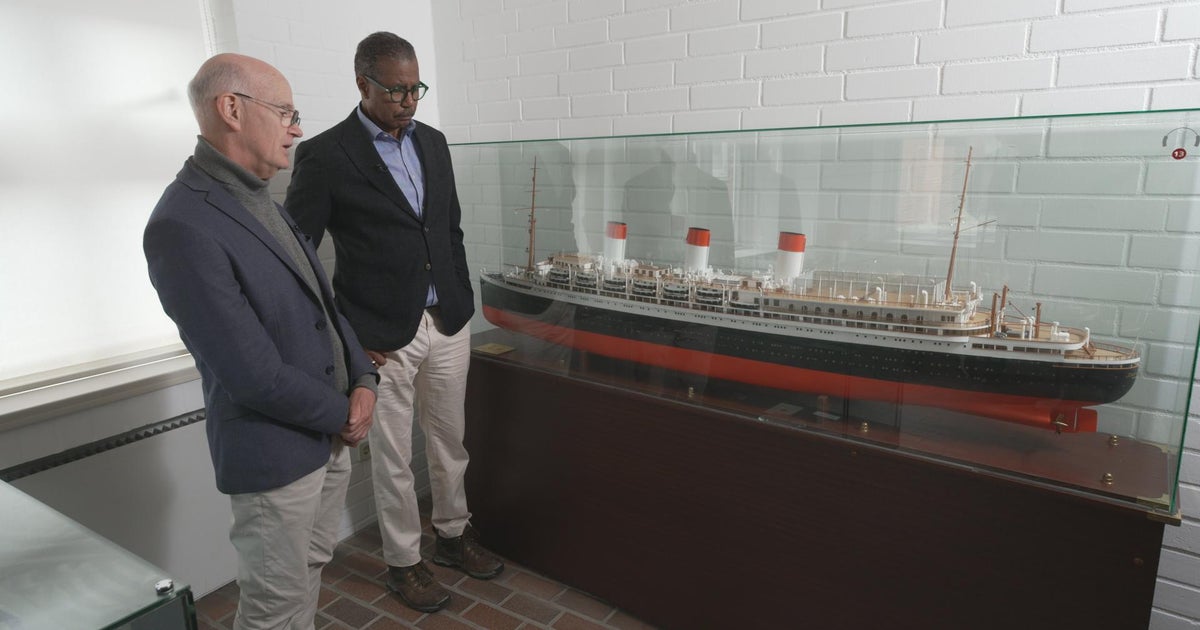
The Cap Arcona Disaster Was Buried by War’s Final Days
The end of World War II produced no shortage of tragedy—but the sinking of the Cap Arcona remains strikingly obscure, despite the thousands of concentration-camp prisoners who died aboard the Nazi ship.
Families of victims are now urging the world to remember what they describe as a forgotten disaster. Their focus is not only the loss of life, but also the danger of allowing the final days of the war to blur responsibility and erase victims from public memory. A report centered on those families frames remembrance as an ongoing demand, rather than a settled historical duty.
The basic account is stark: the Cap Arcona was a Nazi vessel carrying concentration-camp prisoners when British Royal Air Force planes attacked it near the end of the war. Thousands died as the ship sank, according to a retrospective account of the disaster.
The competing perspectives are therefore less about whether the catastrophe occurred than about how it should be understood. The victims’ families emphasize memory and recognition; the historical account emphasizes the sequence of events and the scale of the death toll. Together, they expose a broader tension in war reporting: a tragedy can be documented yet remain largely unknown.
The Cap Arcona’s story also resists a simple wartime narrative. Nazi persecution created the conditions in which prisoners were placed aboard the ship, while the British attack turned the vessel into a site of mass death. Remembering the disaster requires holding both realities in view—and resisting any account that lets the war’s imminent end overshadow those who were killed.
Write a comment