Iceland Says No to EU Talks as Sovereignty Collides With Economic Uncertainty
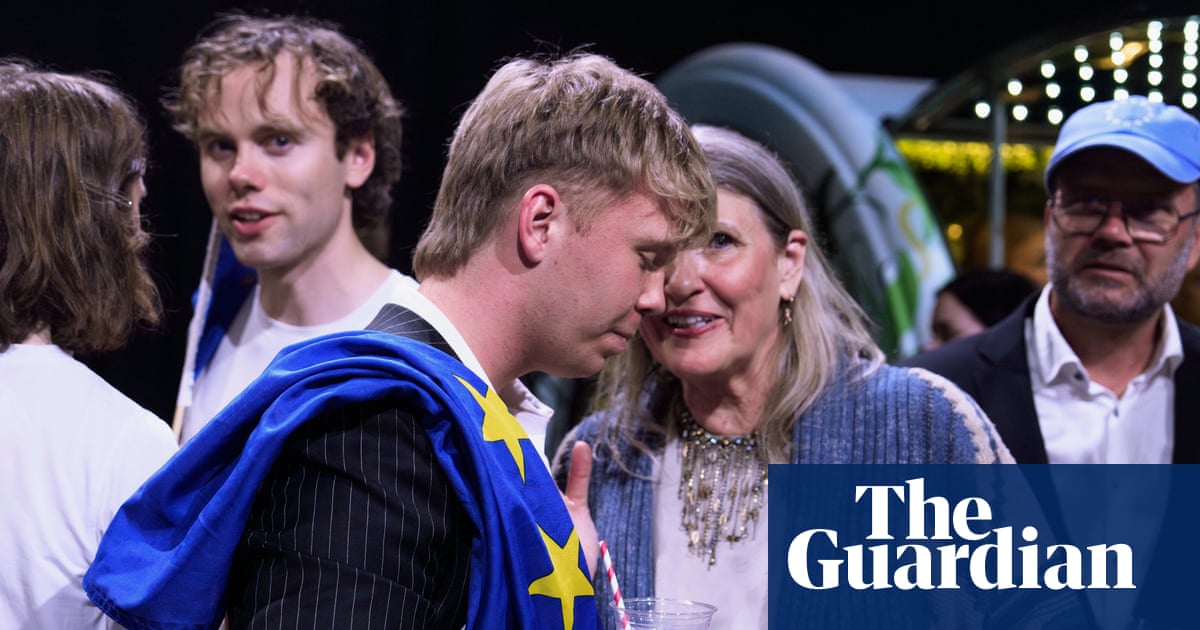
Iceland Says No to EU Talks as Sovereignty Collides With Economic Uncertainty
Iceland has rejected reopening membership negotiations with the European Union, turning a close referendum into a broader test of sovereignty, economic anxiety and national identity.
The result was narrow but decisive: about 52.8% voted against restarting talks, while turnout reached 82.5%. The vote does not decide whether Iceland will join the EU; it blocks the next step and leaves the country’s long-running membership debate unresolved.
Liberal-leaning coverage presented the campaign as a contest shaped by fear and ambiguity. The no side was described as well-funded and effective at portraying EU membership as a threat to fishing and farming—industries closely tied to Icelandic identity. The ballot’s wording may also have helped opponents: a yes vote meant “yes, maybe,” since voters would have faced another referendum after negotiations, while no offered a clear and immediate decision.
That framing contrasts with the conservative interpretation, which emphasized what Iceland might surrender: authority over some laws and trade policy, along with control of valuable fishing grounds, in exchange for influence in EU decision-making and a route toward adopting the euro. In that account, the rejection was not simply a product of campaign tactics but a defense of national control—and a setback for the bloc’s hopes of expanding northward.
The pro-EU case focused on the opposite risks. Supporters argued that membership could ease Iceland’s high interest rates and provide greater security amid war, trade tensions and uncertainty surrounding the Arctic. Prime Minister Kristrún Frostadóttir acknowledged rural concerns over agriculture, fisheries and natural resources, promising that the government would “keep these concerns in mind.”
Both sides therefore claimed to be protecting Iceland’s future. The difference was over where security lies: closer European integration, or the ability to make national decisions without Brussels.
Write a comment