Can a Teen Be Held Responsible for a Mosque Massacre She Did Not Commit?
Can a Teen Be Held Responsible for a Mosque Massacre She Did Not Commit?
A North Carolina teenager is facing murder charges for allegedly helping document and amplify a massacre she did not physically carry out, putting the boundaries of accomplice liability—and online participation in extremist violence—under scrutiny.
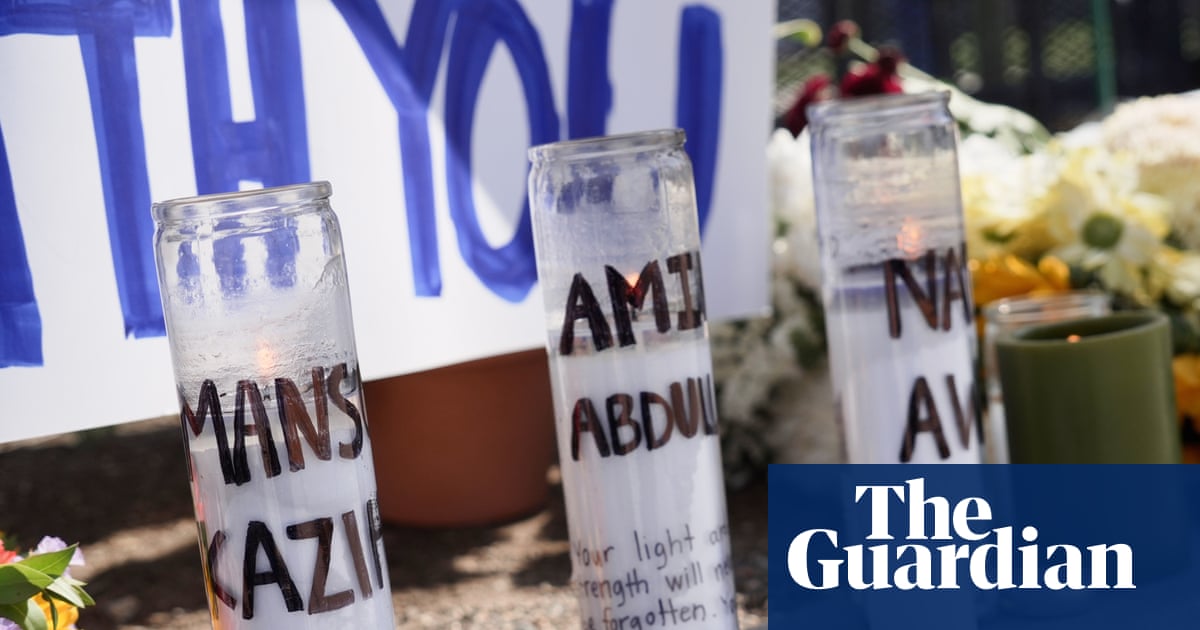
The 17-year-old was indicted on three murder counts and one conspiracy count after authorities said she recorded a livestream of the May 18 attack at the Islamic Center of San Diego and helped distribute the gunmen’s white-supremacist manifesto. The two alleged shooters, Cain Clark and Caleb Vazquez, killed three men before taking their own lives. A security guard’s intervention also helped protect roughly 140 children inside the mosque.
The prosecution’s position is expansive: physical presence in California was not required. Forsyth County District Attorney Jim O’Neill said North Carolina law treats someone who aids and abets a crime “just as if he or she had personally done all of the acts necessary to constitute the crime.” In a separate account, O’Neill emphasized the alleged media role, saying, “She disseminated that information. And she published their manifesto.”
That framing contrasts with the basic description of the teenager as an alleged propagator rather than a gunman. Yet authorities argue the distinction is legally irrelevant if she agreed beforehand to record and circulate the attack, and possibly bought a white-supremacist patch for one shooter. The conservative account also highlights the investigation’s scale—more than 100 interviews, 30 search warrants and a review of over 4 million messages—while presenting the indictment as a consequence of failing to warn police.
Both accounts stress the same core tension: the attack was part of a broader alleged plan targeting a mosque, a Jewish temple and a predominantly African American high school. The disagreement is less about the horror of the killings than about whether digital assistance and propaganda amount to participation in murder. North Carolina prosecutors are betting that a grand jury—and ultimately a court—will say they do.
Write a comment