Trump’s Drug-Price Push Wins New Backers, but Its Savings Claims Face Scrutiny
Trump’s Drug-Price Push Wins New Backers, but Its Savings Claims Face Scrutiny
President Trump’s latest drug-pricing announcement presents a familiar political contrast: an administration claiming a sweeping affordability breakthrough while relying on voluntary commitments whose lasting effects remain uncertain.
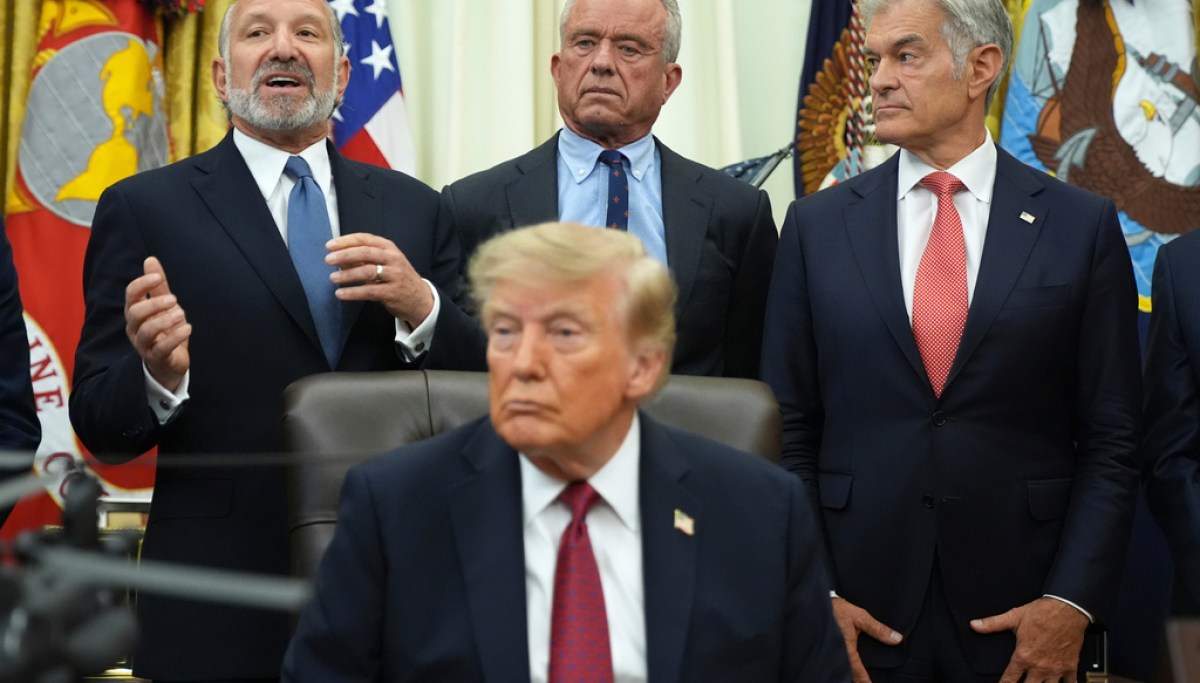
Trump said nine additional pharmaceutical companies have agreed to offer discounted medicines to state Medicaid programs and consumers, bringing the total number of participating firms to 26. The White House says those companies represent 90% of the domestic pharmaceutical market, a figure the president used to argue that remaining holdouts will eventually join. “They have no choice,” Trump said.
The administration’s approach is built around its “most-favored-nation” policy, which seeks to align U.S. drug prices with those in other developed countries. It also relies on TrumpRx, a website launched in February to provide discounts on name-brand medicines. The White House said the nine new participants—Alcon, Astellas Pharma, BeOne Medicines, BridgeBio, CSL, Kyowa Kirin, Sun Pharma, Teva Pharmaceuticals and UCB—will make their drugs available to every state Medicaid program and commit $19.6 billion to manufacturing.
The strongest case for the policy is its scale. Trump projected that the agreements could save Americans “more than $600 billion over a very short period of time.” Supportive coverage framed the new entrants as strengthening the president’s affordability argument, describing the companies’ participation as a boost to his “affordability pitch.”
But the announcement also exposes the plan’s central limitation. The agreements are voluntary, and the administration’s savings projection is a forecast rather than a demonstrated result. Discount access through Medicaid and TrumpRx may reduce costs for some patients, yet it does not necessarily establish a uniform price for all Americans. The political message is therefore clearer than the policy’s ultimate reach: Trump has expanded participation substantially, but the durability and distribution of the promised savings remain unresolved.
Write a comment