Tupac Murder Conviction Turns on a Planner’s Words and a Jury’s Swift Verdict
Tupac Murder Conviction Turns on a Planner’s Words and a Jury’s Swift Verdict
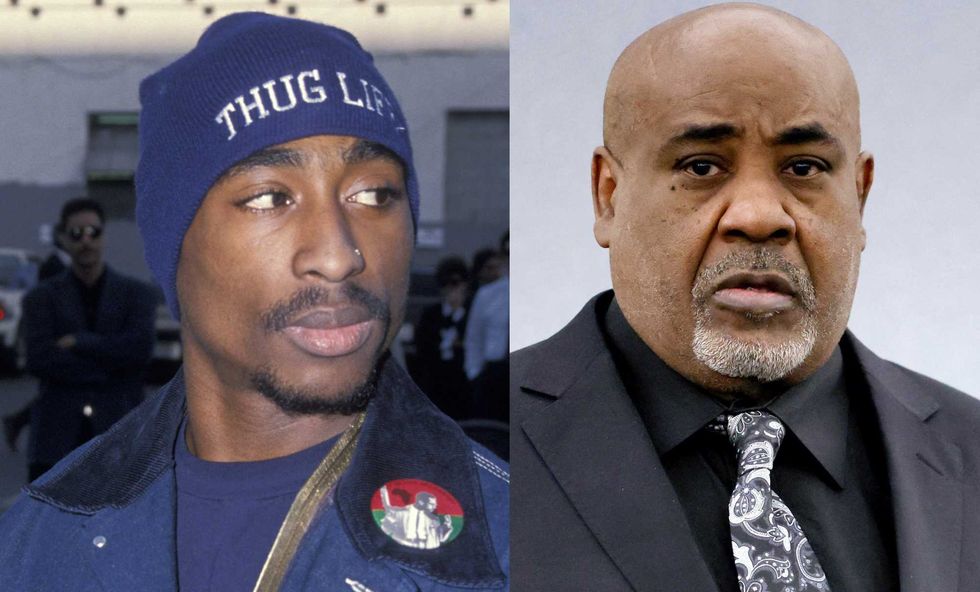
Nearly three decades after Tupac Shakur was killed, the verdict against Duane “Keffe D” Davis has sharpened a central divide: prosecutors see accountability for the man who organized the attack, while the defense sees a conviction built on assumptions and Davis’ own words.
A Las Vegas jury found Davis guilty of orchestrating Shakur’s 1996 murder, making him the only alleged participant still alive to face prosecution. The conservative account frames the outcome as the downfall of an ex-gang leader who was found “GUILTY of orchestrating” the killing decades later. Prosecutors argued that Davis obtained the gun, planned the drive-by in retaliation for the beating of his nephew, Orlando “Baby Lane” Anderson, and passed the weapon to the back seat. They did not claim Davis fired the fatal shots, but Nevada law permits a murder conviction for someone who aids the crime.
The prosecution’s case leaned heavily on Davis’ past statements, including a 2008 interview in which he said Anderson fired the shots. His 2019 book, Compton Street Legend, also placed him in the Cadillac and described how he acquired the gun—though Davis later said he had never read the book. Prosecutors called the case “a slam-dunk, absolutely no defense to murder case.”
The defense offered a starkly different interpretation. Attorney Michael Sanft said jurors deliberated for less than three hours and had “preconceived notions” about Davis. He called the trial a “football game where it was 52 to 0 walking in at the opening kickoff” and insisted, “There is no actual evidence that supported the conviction.”
Both sides agree Davis’ words were pivotal; they disagree on what those words prove. Prosecutors regard them as admissions corroborating a conspiracy, while the defense says they were treated as sufficient evidence despite no proof Davis was even in Las Vegas that night. Davis faces a maximum sentence of life in prison and plans to appeal.
Write a comment