Judge Sends Robinson to Trial, but the Death-Penalty Fight Is Just Beginning
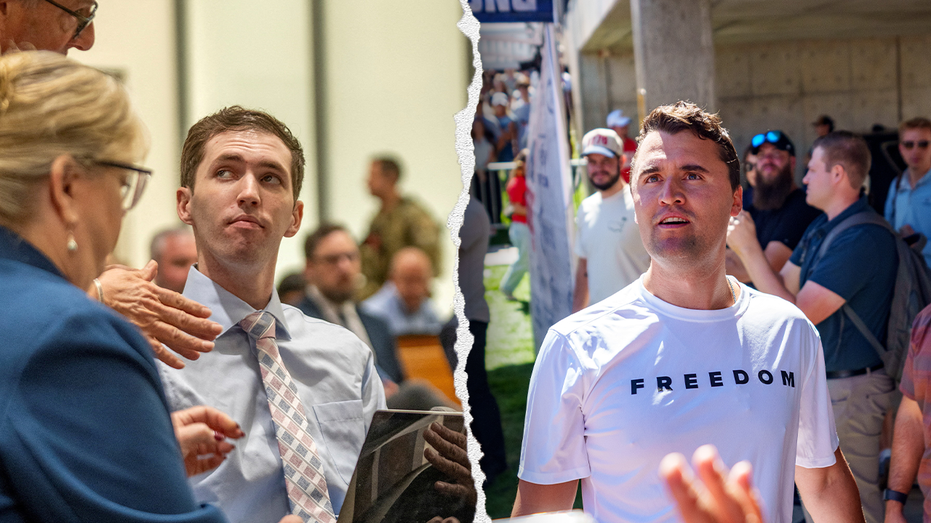
Judge Sends Robinson to Trial, but the Death-Penalty Fight Is Just Beginning
The ruling moves one of the country’s most politically charged homicide cases toward trial while leaving its most consequential question—the death penalty—alive. Tyler Robinson pleaded not guilty after a Utah judge found enough evidence to proceed on all seven charges, including aggravated murder.
Judge Tony Graf stressed that Tuesday’s decision was not a finding of guilt. The preliminary-hearing standard was only probable cause, and he said the evidence, viewed “in the light most favorable to the prosecution,” supported a reasonable belief that Robinson shot and killed Charlie Kirk.
That distinction is central to the competing narratives. Conservative-leaning coverage portrayed the ruling as a decisive step toward justice, emphasizing prosecutors’ evidence and Kirk’s family’s demand for a swift trial. The family called the decision “an important step” while also asking for a “transparent and timely process.” A separate account highlighted the prosecution’s claim that Robinson fired a high-powered rifle into a crowd because he disagreed with Kirk, describing the evidence as a “mountain” that was “overwhelming.”
The defense’s emphasis was narrower but potentially decisive: whether the shooting met the aggravating circumstance required for a capital case. Lawyers argued that only one shot was fired from an elevated position and that it traveled over the crowd rather than through it. Prosecutors countered that firing a rifle toward thousands of people necessarily created a significant risk of death.
Liberal-leaning commentary focused more heavily on the courtroom’s emotional and ideological contrast, portraying Kirk’s widow as visibly distressed while Robinson was reportedly seen smiling or joking with attorneys. It also amplified defense arguments about Kirk’s rhetoric toward LGBTQ people—claims that may shape public opinion but do not determine whether the state can prove murder or its capital enhancement.
The judge ordered Robinson to stand trial on all seven counts. A trial date has not been set, but it could be addressed at an Oct. 23 status conference. The next phase will test whether the prosecution’s extensive evidence can survive the far higher burden of proof beyond a reasonable doubt.
Write a comment