Driscoll’s Exit Exposes the Pentagon’s Deepening Leadership Crisis
Driscoll’s Exit Exposes the Pentagon’s Deepening Leadership Crisis
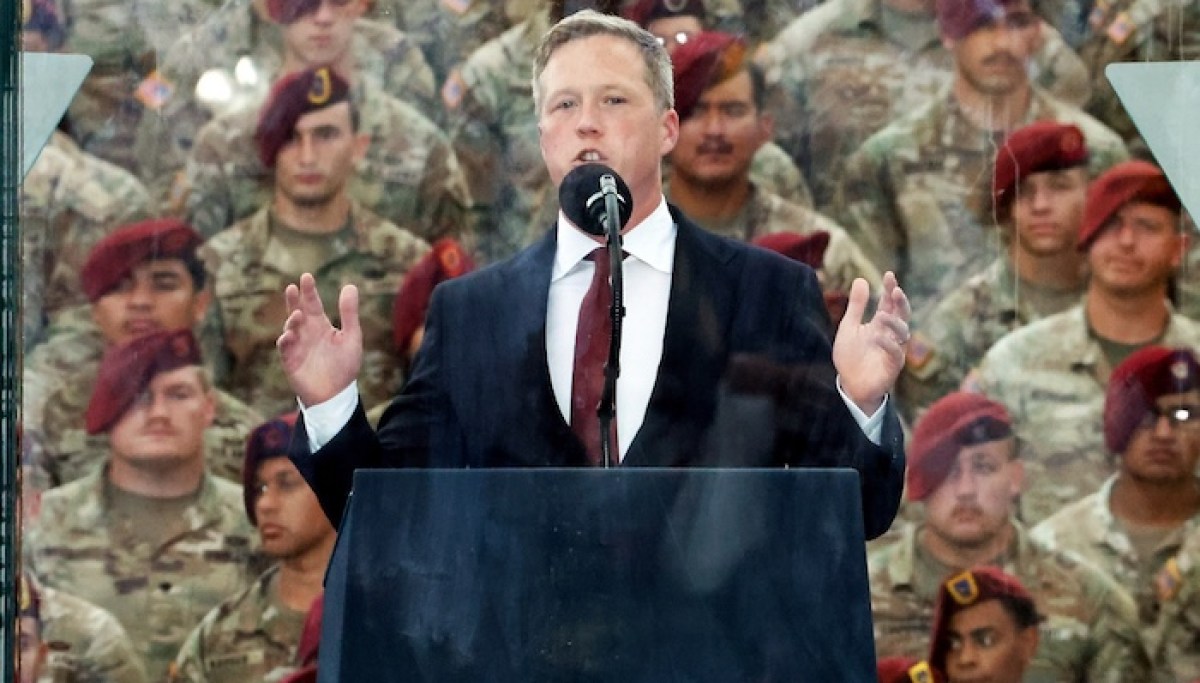
Dan Driscoll’s resignation as Army secretary has turned an internal Pentagon dispute into a broader test of military leadership: is Hegseth imposing a sharper agenda, or driving experienced officials from the institution? The immediate result is an Army with fewer senior leaders during an active period of overseas deployments.
The administration framed Driscoll’s tenure positively. White House spokesperson Anna Kelly called him “highly effective in advancing President Trump’s agenda,” citing readiness, lethality and his role in Russia-Ukraine negotiations. That account portrays the resignation as an orderly personnel change rather than a breakdown.
Other reporting points to a more disruptive explanation. Officials cited a “toxic Pentagon environment” as a factor in Driscoll’s departure, while a separate account said a senior Senate Democrat had sharply criticized Hegseth after the resignation. The contrast is less about whether Driscoll was effective—lawmakers from both parties praised his leadership—than about what his departure says about dissent inside the department.
Democratic critics argue that Hegseth has made personal loyalty the governing principle. Senator Jack Reed said the secretary was “cultivating a culture where dissent is punished and competence is secondary to personal allegiance.” The same report said Driscoll had raised concerns with President Trump about Army transformation and readiness, including Hegseth’s removal of generals involved in those efforts.
A sharper critique from liberal commentators casts the resignation as part of a wider purge, arguing that Hegseth has forced out officials who were insufficiently loyal and left the Army without a Senate-confirmed secretary or chief of staff. The administration’s defense is that Driscoll advanced its priorities; its critics counter that repeated departures are evidence of institutional damage. Either way, the vacancy adds pressure to a Pentagon already confronting questions about continuity, readiness and civilian control.
Write a comment