Nepal’s Flood Rescue Faces a Second Crisis: Finding the Dead and Reaching the Living
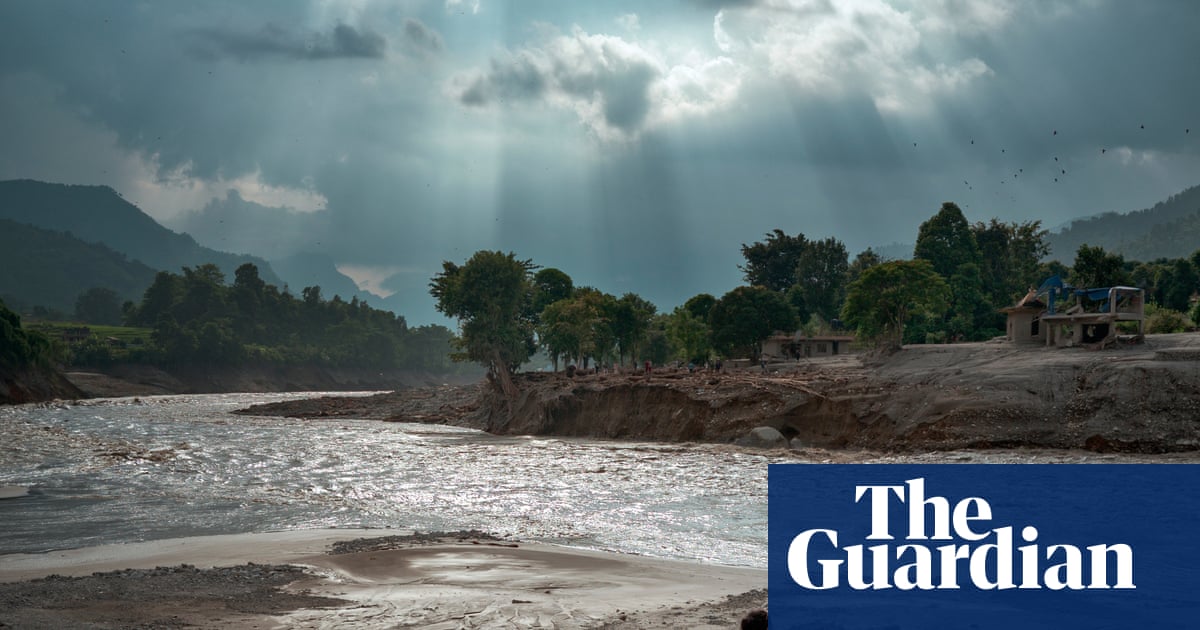
Nepal’s Flood Rescue Faces a Second Crisis: Finding the Dead and Reaching the Living
The floods along the Nepal-Tibet border have created two intertwined emergencies: recovering and identifying the dead, and reaching survivors stranded beyond destroyed roads and bridges.
Nepal’s authorities say at least 1,109 people have died, including 1,093 bodies recovered by police, while 4,571 remain missing. Identification is moving far more slowly than recovery: 911 bodies are listed as unidentified, and DNA samples are being preserved so remains buried in overcrowded facilities can later be matched to relatives.
That official accounting presents the disaster as a vast logistical and forensic operation. The human toll, however, is less orderly. Nineteen-year-old Prakrit Gurung has provided a blood sample in the hope of identifying her mother; her father has already been found. Army official Rameshwor Adhikari described the effort bluntly: “We are collecting the blood samples here, from their siblings, or direct relatives.”
The same contrast appears in the rescue effort. Officials and aid agencies say supplies are reaching parts of the affected region, but villages near the Chinese border remain inaccessible. Lhakpa Gha, whose seven relatives were swept away, says the army has repeatedly called her village too dangerous to enter. “If it’s high risk, you need to act,” she said, accusing authorities of leaving survivors waiting.
Aid groups face the same barriers. Save the Children says it can deliver blankets, tarpaulins, toilets and other supplies only so far, while damaged roads and bridges block access to upper areas. The agency is also warning of malnutrition, disease, overcrowding and child trafficking risks as displaced families move between shelters.
The competing perspectives are not mutually exclusive: officials are expanding DNA collection and confirming a staggering death toll, while families and aid workers measure the response by whether rescuers can reach the living. The unchanged official toll on Tibet’s side adds another layer of uncertainty to an already incomplete picture.
Write a comment