Congress Buys Time on Shutdown—but the December Showdown Could Be Worse
Congress Buys Time on Shutdown—but the December Showdown Could Be Worse
Congress has postponed a government shutdown, not solved the conflict behind it. The new funding deadline moves the confrontation beyond the November midterm elections, giving lawmakers breathing room while preserving the same partisan impasse.
The conservative framing presents the measure as a Trump-linked spending bill designed to push the next shutdown fight past the elections. That emphasis casts the vote as a tactical delay and places responsibility for the coming showdown on the broader spending battle.
The liberal account instead stresses that the House passed a bipartisan stopgap 370–48 after the Senate approved it earlier, extending government funding through Dec. 11. It also highlights the procedural failure beneath the temporary agreement: although the House Appropriations Committee advanced all 12 annual spending bills, none had cleared the Senate Appropriations Committee.
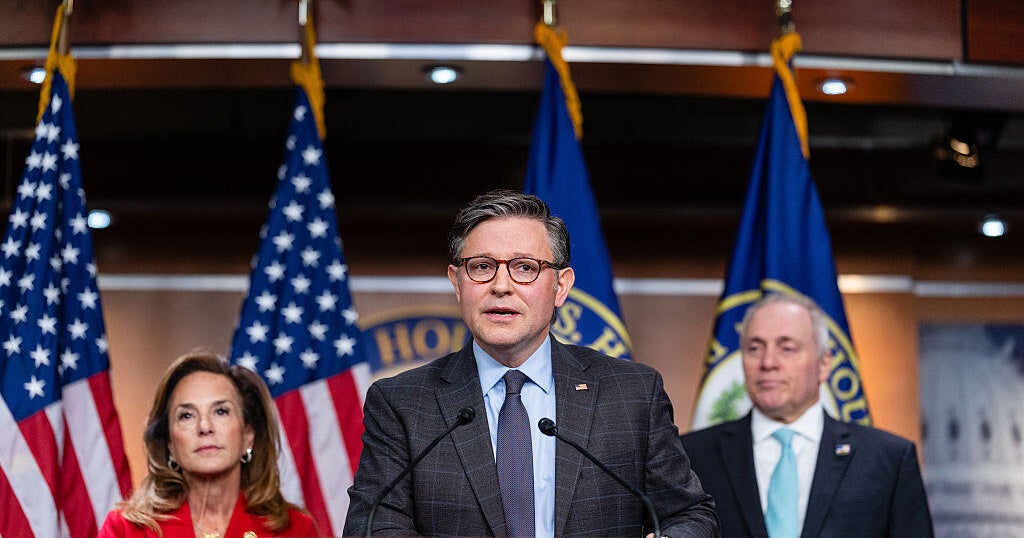
Republican leaders described the bill as a necessary bridge. House Majority Leader Steve Scalise said, “We want to get a longer-term deal, but at a minimum, let’s ensure that we can continue to see government properly funded and functioning.” But Rep. Tom Cole offered a far bleaker assessment, accusing the Senate of having “wasted the entire year and a half” and warning that Congress could face either a yearlong stopgap or a shutdown in December.
The two perspectives agree that the deadline was politically inconvenient—especially with lawmakers preparing to campaign in October—but differ over what the delay means. Supporters see time to keep agencies operating; critics see a postponement that leaves funding disputes, border-policy demands and congressional dysfunction intact. With the new deadline arriving after voters decide control of Congress, the eventual spending fight may be shaped as much by the election result as by the budget itself.
Write a comment