Spokane’s Wildfires Expose a Fight Over Cause, Scale and Accountability
Spokane’s Wildfires Expose a Fight Over Cause, Scale and Accountability
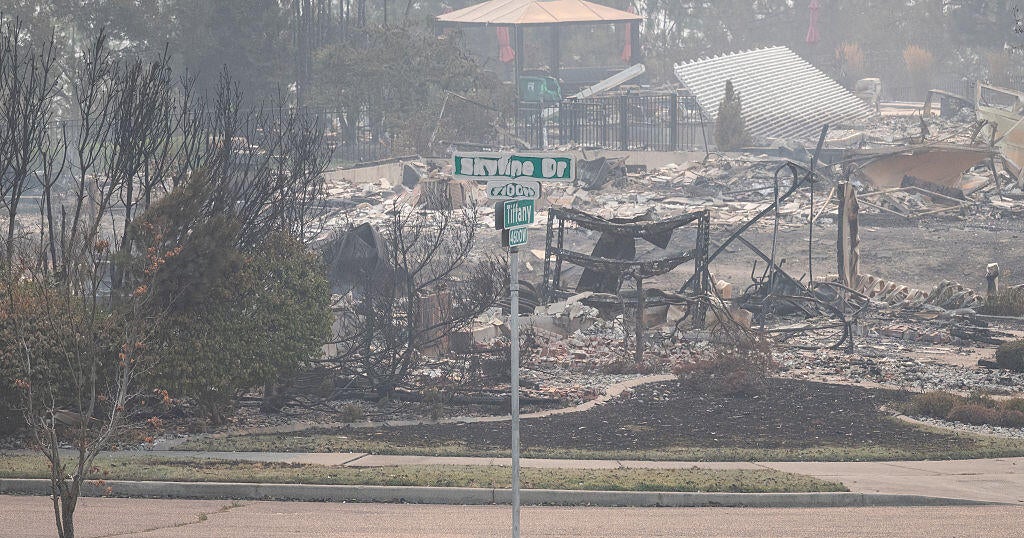
Spokane’s wildfire disaster has produced two urgent questions: who may have started one of the blazes, and why the fires spread with such devastating speed. More than 67,000 people were under evacuation orders, while hundreds of buildings were destroyed and many families faced the loss of everything.
The clearest accountability narrative centers on the Old Trails Fire. Authorities arrested 37-year-old Aaron Farinacci on suspicion of arson after a witness reportedly saw him near where the fire began. Sheriff John Nowels said investigators found waterproof matches and a butane lighter when Farinacci was detained, though officials do not believe he is connected to the other two major fires. The arrest offers a possible explanation for one ignition point, but not for the broader emergency.
The environmental and operational account is wider. Fire officials said extreme drought, high temperatures, dry vegetation and strong winds created conditions in which fires could spread rapidly. Daniel Ramey, a firefighting spokesperson, noted that July brought no rain to the area and that the fires struck the wildland-urban interface, where homes sit alongside grassland and forest. That framing shifts attention from individual culpability to structural exposure and strained firefighting resources.
Conservative coverage emphasizes the visible destruction and the arson arrest, describing neighborhoods as “utterly destroyed” and focusing on the evacuation and loss of homes. Its account overlaps with officials’ warnings about the scale of the disaster, but is more dramatic in tone. A separate conservative headline likewise foregrounds the suspect, while another stresses the hundreds of destroyed buildings and forced evacuations.
The perspectives ultimately converge on the human cost. One resident said, “All of our memories are gone,” while another described opening his home to neighbors despite feeling “almost survivor’s guilt.” The immediate challenge is therefore larger than identifying a suspect: communities must recover amid recurring heat, limited resources and an uncertain damage assessment.
Write a comment