Lindsay Clancy Jury Deadlocks Again, Raising the Prospect of a Retrial
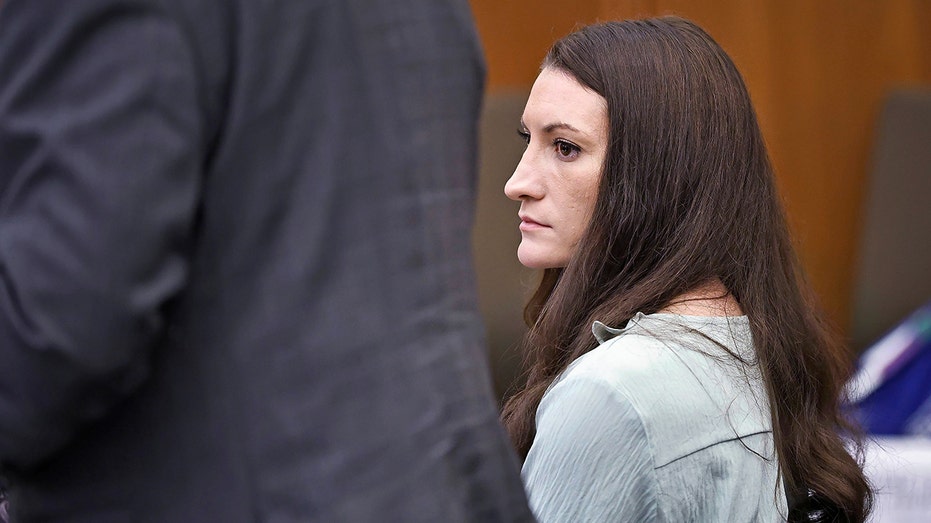
Lindsay Clancy Jury Deadlocks Again, Raising the Prospect of a Retrial
Lindsay Clancy’s murder trial is approaching a decisive impasse: after more than 28 hours of deliberations, jurors have again told the judge they cannot reach a unanimous verdict. The next round of deliberations could determine whether the case ends in a verdict or a mistrial.
The nine women and three men first reported being unable to agree on Tuesday. On Wednesday, Judge William Sullivan issued a final Tuey-Rodriguez instruction—known colloquially as a “dynamite charge”—urging jurors to keep working while preserving their honestly held views. They are scheduled to return Thursday.
The prosecution argues that Clancy planned the killings and understood right from wrong when she strangled her three children at their Duxbury home in January 2023. The defense maintains that she was not criminally responsible because she was overmedicated and suffering from postpartum psychosis. Jurors may choose among first- or second-degree murder, manslaughter, not guilty, or not guilty by reason of insanity.
That legal divide is mirrored by differing assessments of what a deadlock would mean. Defense attorney Kevin Reddington said he would try the case again, but warned that Clancy could not endure another trial and that he would not permit prosecutors to question her again in the same manner. A mistrial, however, would not automatically favor the defense.
Retired Massachusetts Superior Court Judge Jack Lu said retrials after hung juries traditionally benefited prosecutors. But he argued that social media has changed the equation, citing the Karen Read case as an example of online attention intensifying between trials. “The new conventional wisdom is question mark because of social media infected trials,” Lu said.
The two perspectives converge on one point: if jurors remain deadlocked after another effort, a mistrial is likely. What happens next may depend not only on the evidence, but also on whether a retrial can escape the public pressure surrounding the case.
Write a comment