Tupac Shakur verdict delivers a conviction—but not closure
Tupac Shakur verdict delivers a conviction—but not closure
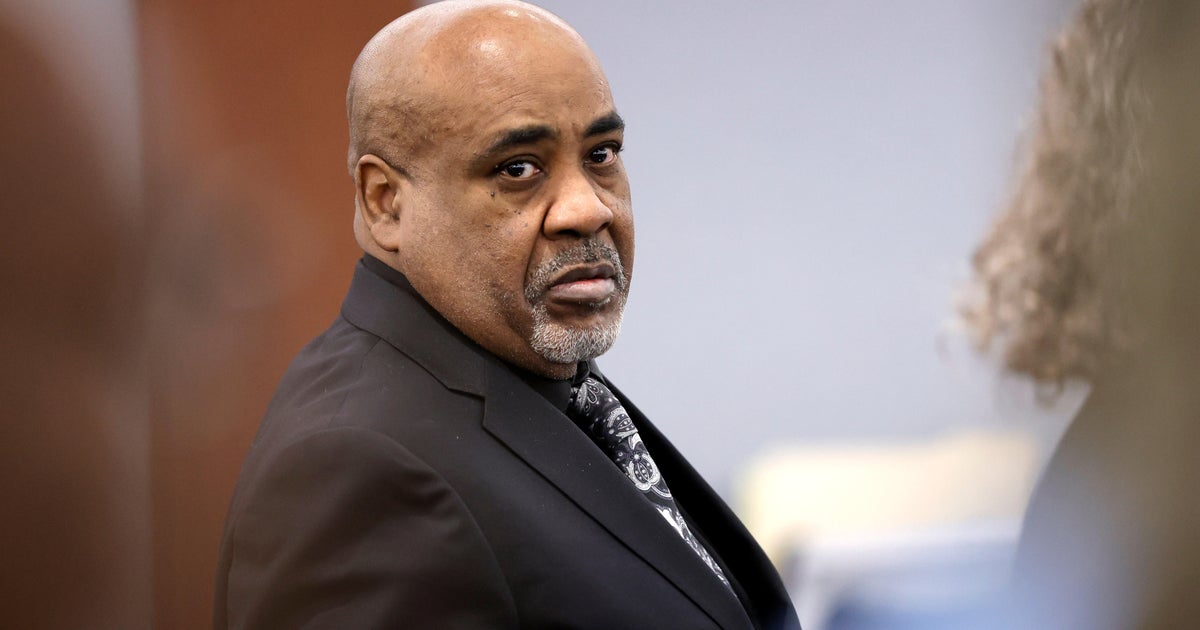
The conviction of Duane “Keffe D” Davis closes one legal chapter in Tupac Shakur’s murder—but it does not settle the larger question of whether the case has delivered justice or simply a long-awaited verdict.
The prosecution presented Davis as the organizer of the 1996 Las Vegas shooting, alleging that he obtained the gun and directed the attack after his nephew, Orlando “Baby Lane” Anderson, was beaten earlier that night. Prosecutors did not claim Davis fired the fatal shots. Instead, they relied on Nevada’s law of accomplice liability, arguing that helping orchestrate a killing is enough for a murder conviction.
That legal theory produced a clear result, but the public meaning of the verdict remains more complicated. One account of the trial frames the central issue as whether the guilty finding can provide genuine closure in a case that has persisted for nearly three decades. Davis is the only alleged participant still alive, while Anderson—identified by prosecutors as the shooter—was never charged and later died in an unrelated shooting.
The defense, however, argues that the verdict rested more on Davis’s public statements and reputation than on independently verified evidence. Attorney Michael Sanft said jurors reached their decision in less than three hours and had “preconceived notions” about his client. He also criticized the admission of evidence about Davis’s gang leadership and drug-trafficking past, as well as jury instructions concerning his self-incriminating statements.
Prosecutors offered the opposite interpretation, calling the case a “slam-dunk” murder prosecution and pointing to Davis’s 2008 interview and his account in Compton Street Legend. The contrast is stark: prosecutors see a coordinated killing supported by Davis’s own words; the defense sees a conviction built without proof that he was even in Las Vegas. Davis plans to appeal, and his October 13 sentencing could bring a life sentence—yet the appeal may ensure that the debate over evidence, responsibility and closure continues.
Write a comment