Trump’s $1 Coin Sells Out—But Its Legality Remains in Question
Trump’s $1 Coin Sells Out—But Its Legality Remains in Question
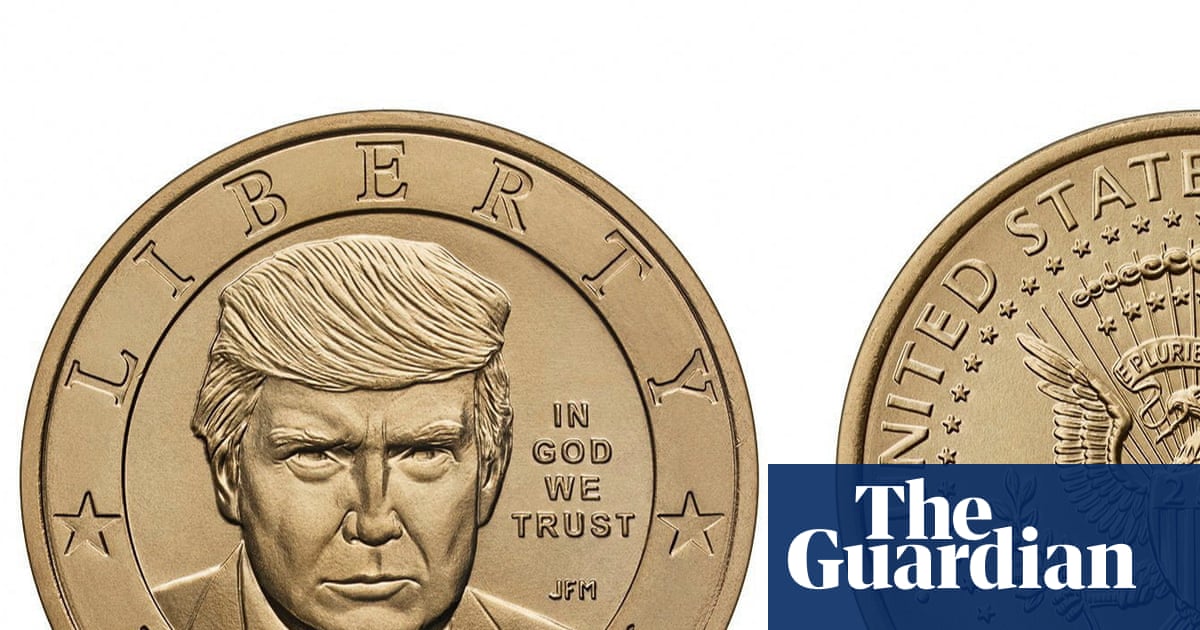
The Trump administration’s new $1 commemorative coin has become both a commercial hit and a constitutional question, selling out rapidly even as critics challenge the legal basis for putting a sitting president’s likeness on U.S. currency.
From the conservative perspective, the coin is primarily a patriotic collectible tied to the nation’s 250th anniversary. The U.S. Mint promoted the dollar as a tribute to “250 years of great American heritage,” and demand was strong enough to prompt additional production. Its release was presented straightforwardly: the Mint was selling $1 coins featuring President Trump for the anniversary.
The liberal critique treats that success as beside the point. It argues that Trump’s image collides with a longstanding American aversion to portraying living leaders on money—an anti-monarchical tradition that Congress reinforced in 1866. The coin is legal tender, but critics note that it costs $61 to purchase 25 one-dollar pieces, making it closer to a premium political souvenir than ordinary currency.
The dispute turns on an ambiguous patchwork of law. Treasury Secretary Scott Bessent has pointed to a 1926 precedent in which President Calvin Coolidge appeared on a coin during the nation’s sesquicentennial. Opponents counter that later restrictions, including a 2005 law, limit which presidents may appear on coins. Economics professor Gabriel Mathy summarized the tension bluntly: “For me, I would consider it illegal,” while acknowledging that currency rules often function more as norms than enforceable prohibitions.
A federal judge declined to block the coin, ruling that the challenger had not shown concrete personal harm—but expressly avoided deciding whether the coin itself was legal. That leaves the two sides divided: supporters see a celebratory emblem that consumers clearly want; critics see presidential self-promotion exploiting a legal gray area. The sellout may settle the market question, but not the constitutional one.
Write a comment