Missouri’s Map Fight Turns an Election-Year Redistricting Gamble Into a Legal Showdown
Missouri’s Map Fight Turns an Election-Year Redistricting Gamble Into a Legal Showdown
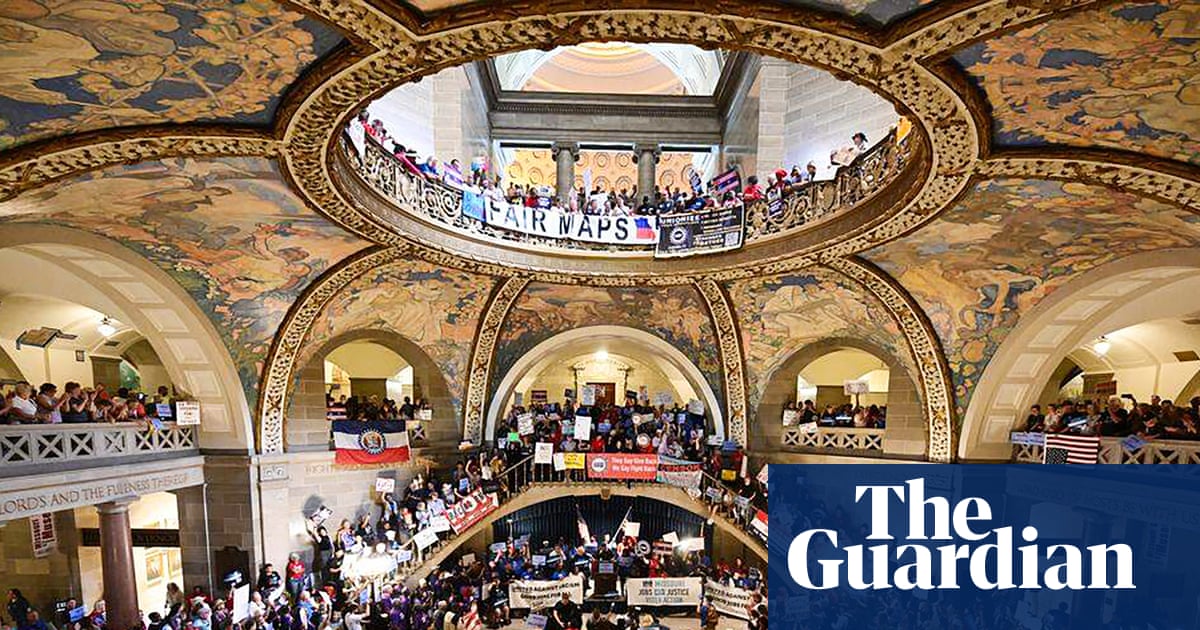
Missouri’s congressional map has become the latest flashpoint in the national redistricting battle, with a court ruling forcing the state to use old boundaries after candidates already competed under new ones. The decision preserves an electoral map Republicans designed to strengthen their House position—but only temporarily, unless voters approve it.
The Missouri Supreme Court ruled unanimously that opponents’ referendum petition was “legal, sufficient, and timely,” meaning the Republican-backed map cannot take effect unless voters endorse it. The 2020 census map will therefore govern the November 2026 general election, while the referendum appears on the ballot.
Republicans see the ruling as an extraordinary disruption. The new districts were used in the primaries and were intended to give the party a seventh seat by weakening Democratic Rep. Emanuel Cleaver’s Kansas City-based district. President Donald Trump called the decision “horrible, ridiculous, and unConstitutional,” arguing that Missouri should use the map that governed the primary. Gov. Mike Kehoe likewise warned that holding a primary and general election under different maps creates “uncertainty for Missouri voters.”
Democrats and voting-rights advocates cast the same ruling as a democratic safeguard rather than an election crisis. Cleaver said, “The people fought back and won,” while the Democratic National Committee called it a “big win for democracy and the people of Missouri.” A separate account described the ruling as a blow to Trump’s redistricting push and said it could return Cleaver to the House after his district was dismantled.
Missouri Attorney General Catherine Hanaway is appealing to the U.S. Supreme Court, calling the decision unprecedented and warning that it could disenfranchise voters. Critics counter that the court merely enforced the referendum process after more than 300,000 signatures were submitted. The dispute now pits electoral continuity against voter approval—and leaves candidates campaigning under boundaries they did not use to win their primaries.
Write a comment