Maduro’s Immunity Bid Turns a Drug Case Into a Test of Sovereignty
Maduro’s Immunity Bid Turns a Drug Case Into a Test of Sovereignty
The case against former Venezuelan President Nicolás Maduro and his wife, Cilia Flores, is shifting from an alleged cocaine conspiracy to a fundamental clash over whether a U.S. court can prosecute a foreign leader at all.
The conservative perspective approaches the dispute through “5 questions about the Maduro immunity challenge,” signaling a focus on the legal and political uncertainties surrounding the couple’s claim rather than accepting immunity as settled law. The liberal account, by contrast, centers on the defense’s formal argument: Maduro’s lawyers say no American court has ever tried a foreign leader recognized by his own country while still in office, calling that a rule “older than the common law.”
That argument places sovereignty at the heart of the case. Flores’ lawyers contend that immunity is “an attribute of Venezuela’s sovereignty, and only Venezuela may surrender it.” Maduro’s team is pursuing both head-of-state immunity and conduct-based sovereign immunity, while insisting that he was falsely accused.
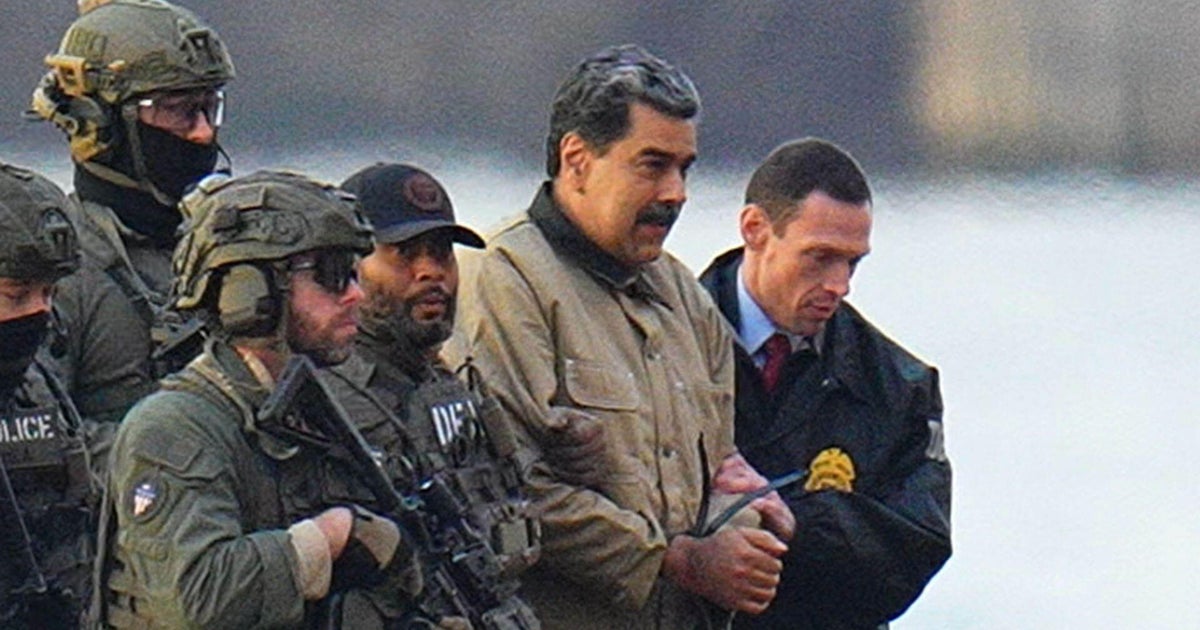
The U.S. government sees the matter differently. The Trump administration has described the raid that brought the couple from Caracas to New York as a “surgical law enforcement operation,” while prosecutors allege that Maduro worked with Venezuelan officials and drug traffickers to move cocaine into the United States. Maduro, who has pleaded not guilty and calls himself a prisoner of war, characterizes the capture as kidnapping.
Oral arguments are scheduled for Nov. 17, ahead of a planned June trial. The judge’s ruling will determine not only whether the drug case proceeds, but also how far U.S. criminal jurisdiction can reach when it collides with claims of foreign sovereignty.
Write a comment