The Next El Niño Could Turn a Hotter World Into a Global Emergency
The Next El Niño Could Turn a Hotter World Into a Global Emergency
An intensifying El Niño is colliding with an already overheated planet, raising the prospect that familiar weather disasters will become more frequent, more severe and harder to manage. The UN’s warning is not simply about a natural climate cycle; it is about how that cycle could magnify the consequences of human-driven warming.
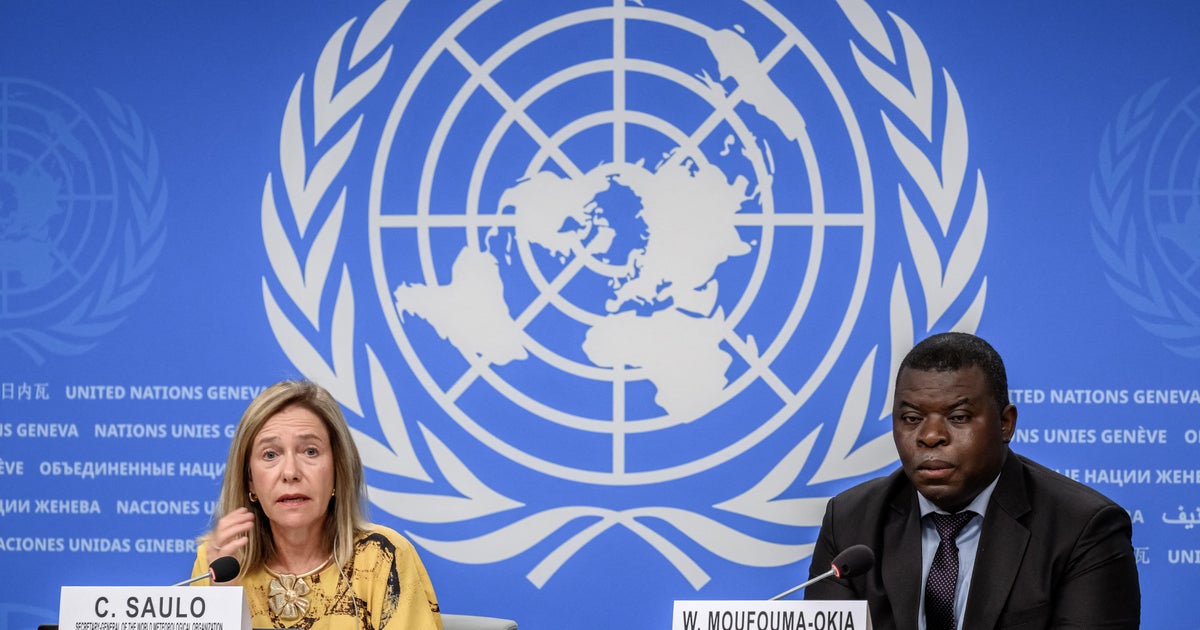
The World Meteorological Organization says the event is strengthening toward a “very strong” phase and could persist into early 2027. UN Secretary-General António Guterres described it as “supersized before our eyes,” warning that “the world is in the danger zone of extreme weather.” The immediate effects will vary: heavier rain and flooding in some regions, drought and extreme heat in others.
That global reach is what separates this warning from a localized weather alert. Asia-Pacific and Latin America are expected to face some of the sharpest impacts, while commodity markets worldwide could feel pressure through disrupted supplies of corn, cocoa, coffee, rice and energy. One report also points to weakened monsoon rains in India, Indonesian wildfires and severe crop losses in Central America.
The scientific picture is alarming but not identical to a prediction of universal catastrophe. El Niño is a naturally occurring cycle, and forecasters cannot determine every regional outcome with precision. But unusually warm oceans are giving the current event a hotter starting point. Surface waters in the key Pacific region have risen to as much as 2.6°C above normal, while subsurface temperatures have exceeded 8°C above average.
The WMO puts the likelihood of the event lasting into early 2027 at nearly 100 percent—an unprecedented level of certainty for an ENSO forecast—and says it may peak late in 2026. The UN’s response emphasizes early warnings and preparedness; climate advocates argue that resilience alone will not be enough without rapid emissions cuts. That is the central tension: El Niño is natural, but the damage it threatens is being intensified by a warming world shaped by policy choices.
Write a comment