Gloria Steinem’s legacy is both a feminist triumph and a measure of the movement’s unfinished fight
Gloria Steinem’s legacy is both a feminist triumph and a measure of the movement’s unfinished fight
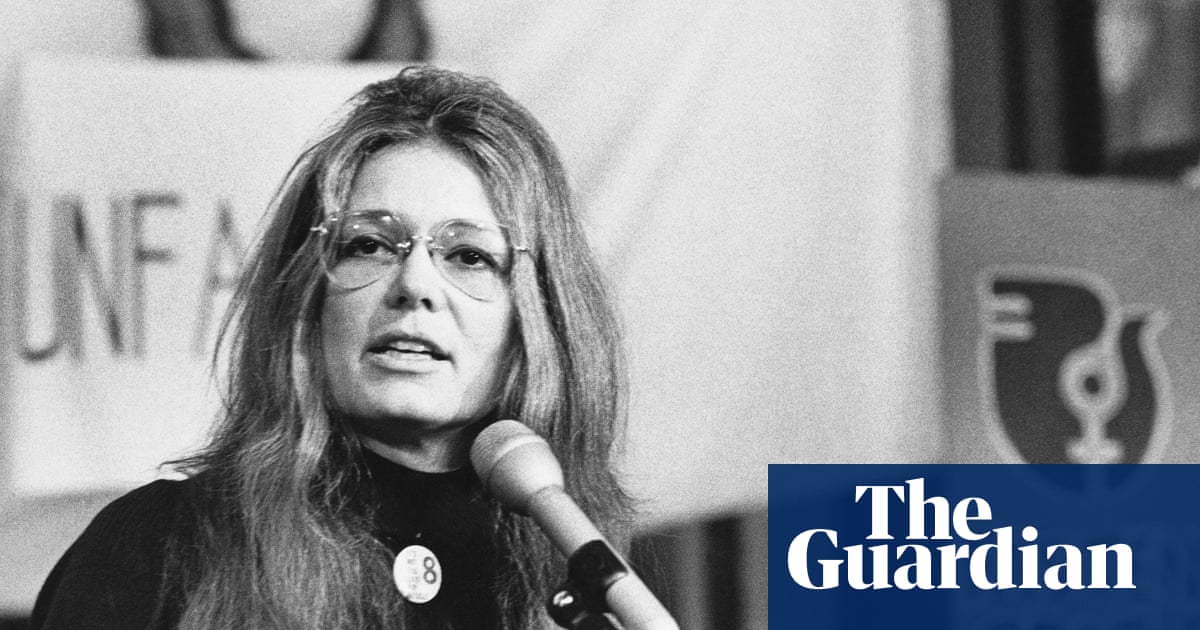
Gloria Steinem’s death at 92 closes a defining chapter in American feminism—but it also sharpens questions about what her movement achieved, whom it represented and why so much of its work remains unfinished.
To admirers, Steinem was the communicator who carried women’s liberation from radical meetings into mainstream American life. Her journalism, activism and co-founding of Ms made reproductive rights, workplace equality and violence against women subjects of national debate. Her death was announced as a peaceful passing at home in New York, with a statement praising her ability to make people “feel seen and heard.”
Political allies framed that legacy as both personal and institutional. Hillary Clinton called Steinem “one of the architects of the entire structure of women’s equality,” while urging younger women to continue the struggle. Clinton also emphasized Steinem’s optimism—an important contrast to the current political climate, which has brought renewed attacks on reproductive freedom and women’s participation.
Yet the tributes coexist with a more complicated assessment. Steinem’s visibility helped feminism win influence, but critics argued that the media elevated her partly because she was young, white and attractive. The movement’s own anti-leadership culture made her celebrity status contentious, and some activists accused her of becoming a convenient public representative for a movement that was far more diverse and internally divided than her image suggested.
That tension was central to her career: she used glamour and political access to broaden feminism’s reach, while insisting that her platform serve others. One account described her as a “human mascot for the movement,” both credited for its victories and blamed for its failures. Her record also included positions later reconsidered, including a defense of Bill Clinton during sexual-harassment allegations and earlier remarks criticized as hostile to transgender people.
Steinem’s death therefore brings not only remembrance but a challenge. Her generation made equality a mainstream demand; the next must decide whether to preserve that institutional legacy or rebuild the grassroots movement that, critics warn, has entered retreat.
Write a comment