A Deadlocked Jury Leaves Lindsay Clancy’s Fate—and the Mental-Health Debate—Unsettled
A Deadlocked Jury Leaves Lindsay Clancy’s Fate—and the Mental-Health Debate—Unsettled
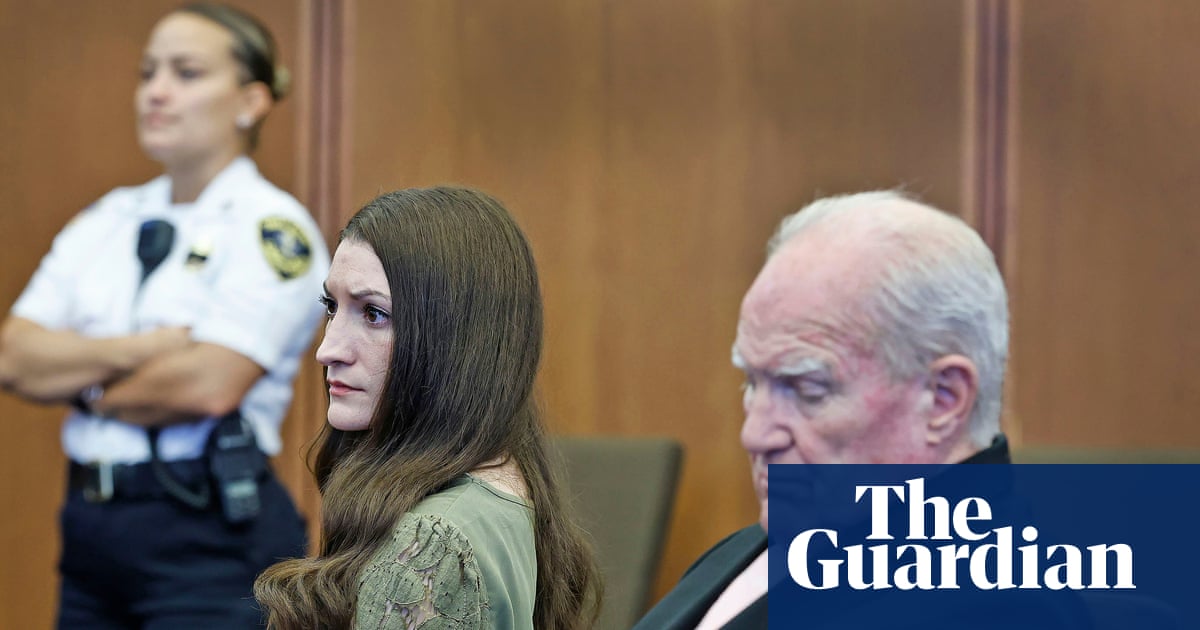
A mistrial has left the central question in Lindsay Clancy’s case unresolved: was she a calculating killer who understood her actions, or a severely mentally ill mother acting under psychosis? After seven days of deliberations, the Massachusetts jury could not agree unanimously on her criminal responsibility for the deaths of her three children.
The prosecution portrayed Clancy’s actions as deliberate. Prosecutors said she sent her husband out of the house, researched timing and carried out the killings during a carefully created window of opportunity. Their case emphasized behavior they said showed rational decision-making, including phone activity and her ability to conceal alleged hallucinations from medical professionals. The prosecution’s position was blunt: “Those are decisions and choices and actions that she’s controlling.”
The defense offered a fundamentally different interpretation. Clancy admitted killing the children but argued that postpartum depression, extensive medication, and an acute psychotic episode left her unable to understand or control what she was doing. Defense expert Dr. Phillip Resnick testified that she was “clearly psychotic on that day.” The defense also argued that her internet searches and efforts to estimate her husband’s absence reflected desperation and a need for help, not premeditation.
Both sides agreed that Clancy had serious mental-health problems; they sharply disagreed over whether those problems eliminated criminal responsibility. That divide appears to have split the jury, with one holdout reportedly preventing a verdict. Defense attorney Kevin Reddington sought to have the juror questioned or removed, but the appeal failed, and his subsequent criticism of the juror drew condemnation from opponents who said the holdout was performing the basic duty of weighing the evidence.
The mistrial resets the case rather than ending it. Plymouth County District Attorney Timothy Cruz may pursue first-degree murder again, choose a lesser charge, negotiate a plea or abandon a retrial. Legal analysts said prosecutors could streamline their argument in a second trial, while the defense is likely to press harder on medical treatment and postpartum psychosis. Clancy remains in psychiatric care at Tewksbury State Hospital as the unresolved verdict leaves both legal accountability and systemic mental-health failures in contention.
Write a comment