Sabalenka’s Cannabis Complaint Exposes the US Open’s Culture Clash
Sabalenka’s Cannabis Complaint Exposes the US Open’s Culture Clash
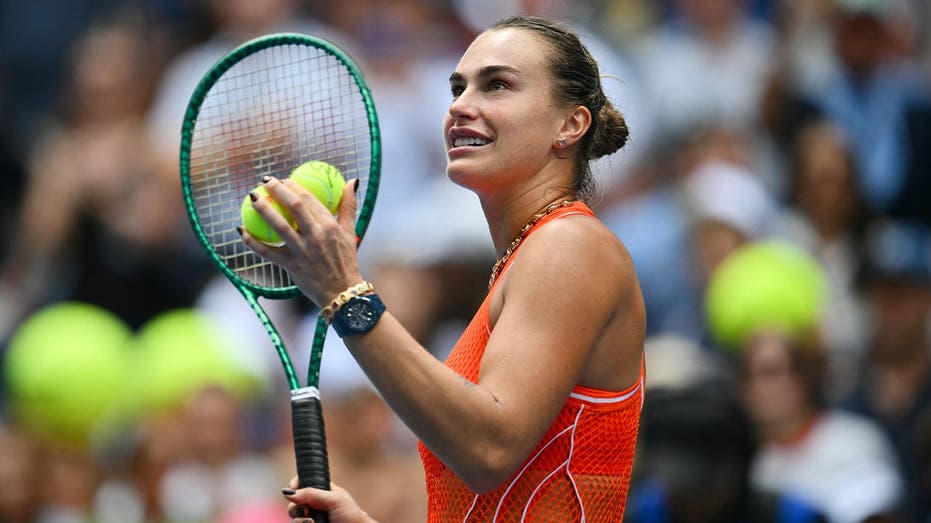
Aryna Sabalenka’s brief interruption at the US Open was more than an odd courtside moment: it exposed the uneasy collision between New York’s normalized cannabis culture and the demands of elite sport.
Leading Kamilla Rakhimova 3-0, the defending champion approached the umpire and said, “Someone is smoking weed, do you mind … because it’s so strong.” She later clarified that she could not tell whether the odor came from the crowd or blew into the stadium, but said it was the strongest she had encountered in years of competing in New York.
The more measured interpretation is that the incident reflects a familiar urban reality. Cannabis is legal in New York, and the smell has reportedly become a recurring feature around the tournament grounds. Sabalenka herself acknowledged that spectators could “smoke whatever” and relax—just not near players trying to compete at their best. Her complaint was therefore less a demand for prohibition than a request for boundaries.
A sharply different framing treats the episode as evidence of a broader decline in tournament standards. One conservative account described the US Open as developing a reputation for “debauchery” and argued that the marijuana odor has become a problem for athletes, not merely an eccentric feature of the crowd. Its proposed remedy—moving consumption toward edibles—underscores the contrast: cannabis advocates and vendors see recreational use as part of the fan experience, while critics see smoke drifting into competition as an avoidable intrusion.
Both perspectives agree on the central fact: legalization has not resolved questions about proximity, courtesy or enforcement. Sabalenka ultimately won 6-3, 6-4 without dropping a set, but the episode added an off-court distraction to a tournament where she is already fighting to recover form and retain the No. 1 ranking. The real issue is not whether fans may consume cannabis, but whether athletes should have to absorb the consequences while they play.
Write a comment