Cathy Engelbert leaves behind a bigger WNBA—and a deeper divide
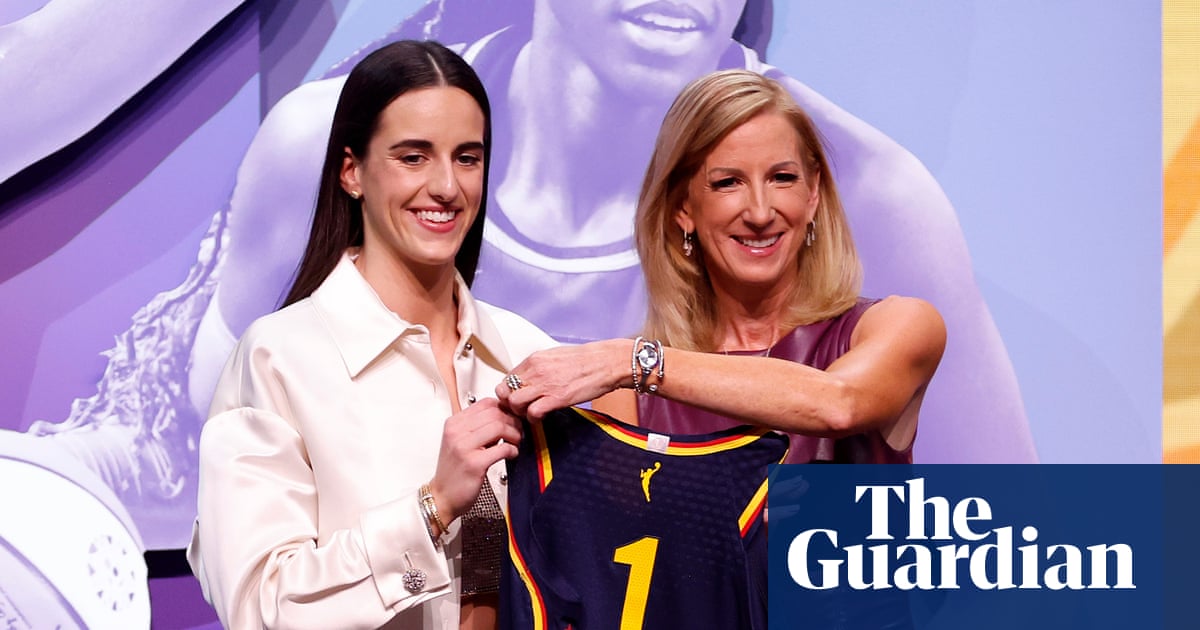
Cathy Engelbert leaves behind a bigger WNBA—and a deeper divide
Cathy Engelbert’s planned retirement marks a turning point for a WNBA that is richer, larger and more visible than ever—but also more divided over who benefited from that growth and how the league was led.
Engelbert, who will step down after the 2026 season, leaves a record of undeniable expansion. Under her watch, the league grew from 12 teams toward 18 by 2030, viewership rose sharply, and the WNBA secured an $3.1 billion media-rights agreement involving Amazon, Disney and NBC. A new collective bargaining agreement also raised the salary cap from $1.5 million to $7 million, established a $300,000 minimum salary and introduced revenue sharing.
From the league’s institutional perspective, the gains represent a historic breakthrough. Engelbert said she had watched players “thrive and lead the massive cultural surge around women’s sports,” while WNBPA president Nneka Ogwumike said players had finally achieved a system in which their worth was tied more closely to salary.
The conservative critique accepts the growth but rejects Engelbert’s claim to full credit. It argues that Caitlin Clark’s popularity drove much of the league’s surge, including charter travel, media attention and pressure for better compensation. It also portrays Engelbert as having made the WNBA overly political, citing its racial-justice activism and the recent dispute over transgender participation as evidence that the league alienated potential fans. That account, however, is sharply ideological and treats the league’s social-justice positions less as policy choices than as proof of institutional failure.
The more measurable criticism came from players themselves. Napheesa Collier described the WNBA as having “the worst leadership in the world,” while Alyssa Thomas accused Engelbert of remaining silent after players received death threats. Engelbert acknowledged that communication needed improvement, but her explanation—that players may not check email—underscored the distance between league management and its increasingly influential workforce.
Engelbert therefore departs with a paradoxical legacy: she helped build the WNBA’s commercial foundation, yet struggled to maintain trust with the players whose labor and visibility made that success possible.
Write a comment