Judge Blocks Trump-Backed Mail Ballot Rules as Election Deadlines Close In
Judge Blocks Trump-Backed Mail Ballot Rules as Election Deadlines Close In
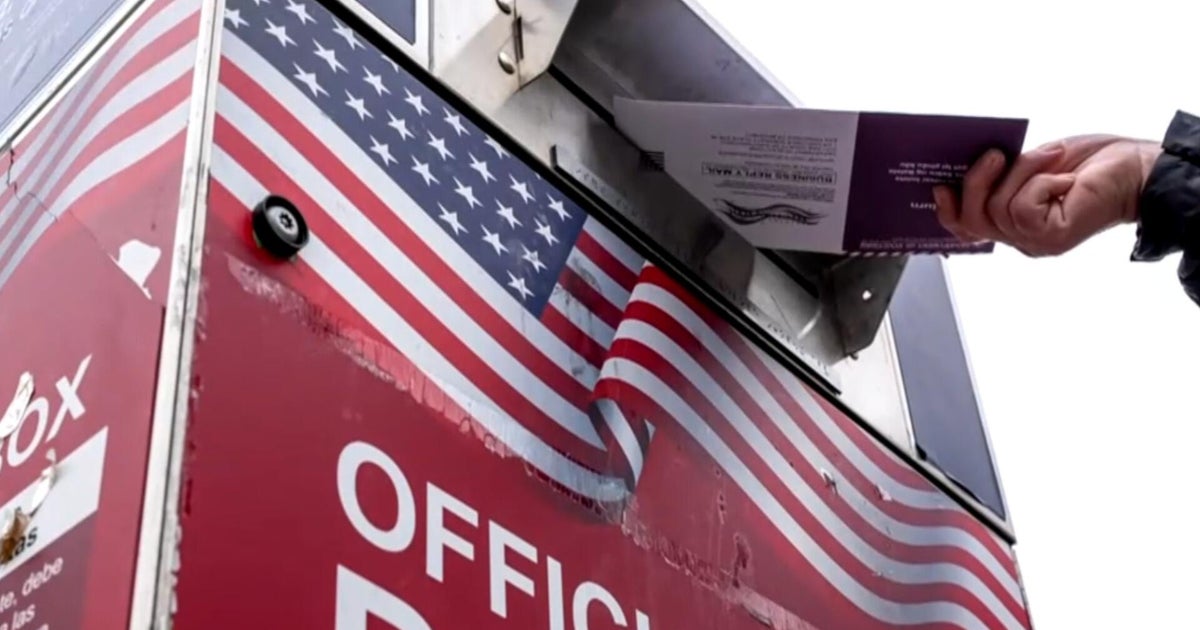
The fight over Trump-backed mail-ballot rules is now a race against the election calendar: a federal judge has kept the requirements frozen just as states begin sending ballots, while the administration moves to revive them through the courts.
U.S. District Judge Indira Talwani issued a preliminary injunction blocking the Postal Service from enforcing the rules through the November midterms. The requirements would impose new ballot-design standards, collect voter information through an online portal and allow postal workers to reject noncompliant mailings. The judge said states would struggle to implement the changes so late in the election cycle, warning that the disruption would “nearly guarantee significant disenfranchisement for eligible voters.”
The ruling reflects the states’ and voting-rights groups’ central argument: election administration belongs primarily to Congress and the states, not the Postal Service or the president. Talwani wrote that the agency likely exceeded its authority because “Congress has not authorized the USPS to make requirements of States” before accepting their ballots. California Attorney General Rob Bonta said the coalition had secured “longer-term relief” and would continue efforts to stop what he called an attempt at “trampling on voting rights and restricting mail voting.”
The administration and conservative supporters frame the dispute differently. They describe the measures as limited informational and verification requirements, not a barrier to voting. The conservative account also emphasizes that Talwani, appointed by former President Barack Obama, blocked only portions of the USPS rule and that the injunction lasts through November 3 while litigation continues.
That contrast—voter protection versus election safeguards—now moves to the appeals courts. The Justice Department is expected to seek emergency intervention, while states say the rules’ rushed rollout, untested technology and ballot-return risks make enforcement especially dangerous so close to Election Day.
Write a comment