Trump’s Ukraine peace push collides with a widening air war
Trump’s Ukraine peace push collides with a widening air war
The planned Moscow and Kyiv visits by Jared Kushner and Steve Witkoff are meant to signal renewed U.S. momentum toward ending the Ukraine war. Instead, the envoys are heading into a conflict where diplomacy and escalation are unfolding simultaneously.
The conservative framing is centered on the Kremlin meeting itself, describing the pair as preparing to go to Moscow for talks with Vladimir Putin. That emphasis casts the trip as a direct, leader-level negotiation and highlights the access Washington’s representatives may have to Russia’s president.
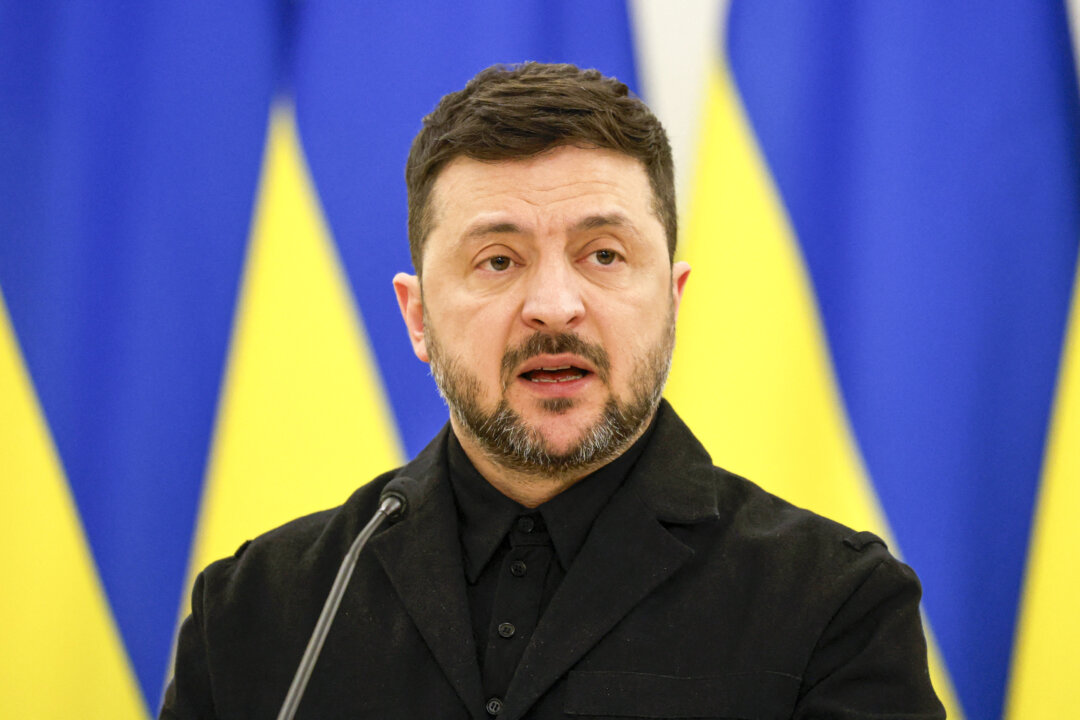
The liberal account presents a more complicated sequence: the envoys are expected to visit Moscow before traveling to Kyiv, while President Volodymyr Zelenskyy urges Russia to suspend air attacks during their visit. Ukraine, he said, would guarantee the safety of Russian airspace. Donald Trump called the two men “great negotiators,” while Washington has reportedly asked both sides to observe a ceasefire during the mission.
The contrast is significant. The conservative perspective stresses diplomatic access and the possibility of a breakthrough; the liberal briefing places that effort against an intensifying battlefield. A Russian drone struck the headquarters of Ukraine’s SBU intelligence agency, injuring at least nine people, while attacks in Odesa, Kyiv and Dnipro caused further casualties. Ukraine also carried out a large drone strike near Sochi that reportedly hit oil depots.
That violence makes the proposed air truce both politically useful and strategically difficult. Zelenskyy’s call could create space for talks, but his government is simultaneously warning that Russian airspace will face sustained Ukrainian drone activity. Meanwhile, the suspension of Air Tanzania flights to Moscow underscores how the conflict is spilling into civilian aviation and international risk calculations.
The mission therefore carries two competing messages: Washington sees an opening for negotiation, while events on the ground suggest that neither side is yet prepared to stop applying pressure.
Write a comment