U.S. Strikes on Iranian Tankers Turn a Missile Exchange Into an Economic War
U.S. Strikes on Iranian Tankers Turn a Missile Exchange Into an Economic War
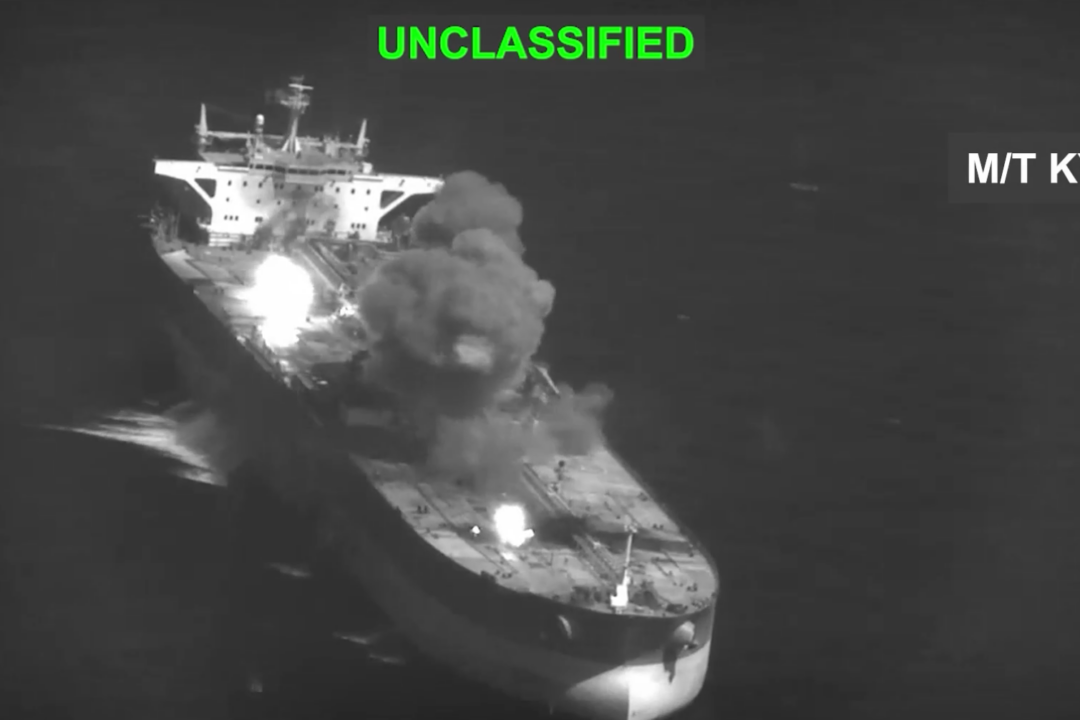
The latest U.S.-Iran escalation has widened the battlefield: an alleged missile attack on American warships was followed by strikes on three Iranian oil tankers, transforming a military exchange into a fight over Tehran’s economic lifelines.
The U.S. account presents the operation as a measured act of retaliation. Washington says Iran’s Islamic Revolutionary Guard Corps launched ballistic missiles toward a carrier and a guided-missile destroyer, though both ships evaded the attacks and no American personnel were injured. U.S. Central Command said it then permanently disabled two tankers and destroyed a third, arguing that the vessels supported the IRGC and regional proxy groups. The conservative framing is blunt: Iran attacked U.S. ships, and the response imposed a greater cost on Iran’s oil infrastructure. CENTCOM described the vessels as part of an exposed crude fleet and said the attacks were necessary to defend American forces.
The administration’s economic message was even more explicit. Admiral Brad Cooper said, “If you shoot at two of our ships, we will impose an even higher economic cost — taking out three of yours,” while Defense Secretary Pete Hegseth warned, “if Iran shoots at U.S. ships, we will destroy (and sink) their oil tankers.” That language casts the strikes not merely as battlefield retaliation, but as deterrence through economic punishment.
Liberal coverage accepts the reported missile attack and lack of U.S. casualties but places the strikes inside a much broader and more dangerous cycle. It highlights the threat to Iran’s “limited and exposed oil fleet,” the disruption of exports through Kharg Island, and the collapse of negotiations after months of intermittent conflict. It also points to civilian deaths, including a reported wedding strike and the earlier destruction of a school compound, as evidence that the U.S. campaign carries consequences well beyond the immediate naval confrontation.
Both perspectives agree on the basic sequence. They diverge over its meaning: Washington calls it defensive deterrence; critics see another step toward an open-ended regional war, with oil infrastructure and civilians increasingly caught in the crossfire.
Write a comment